Bridging aggregator node clusters are essential for connecting different blockchain networks or layer 2 solutions, enabling cross-chain communication and interoperability. Here's a comprehensive guide to orchestrating these clusters effectively.
Architecture Components
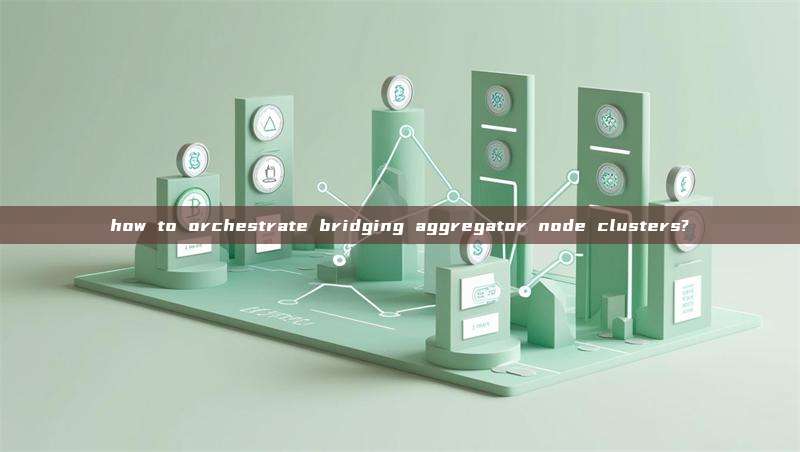
Bridge Nodes: Handle cross-chain communication protocols
Aggregator Nodes: Collect and process data from multiple sources
Orchestrator Layer: Manages node coordination and failover
Consensus Layer: Ensures agreement on cross-chain state
Orchestration Strategies
1. Cluster Setup
Node Deployment:
Deploy nodes across multiple availability zones
Use containerization (Docker) for consistent environments
Implement infrastructure-as-code (Terraform, Ansible)
Topology:
Hybrid mesh architecture for fault tolerance
Hierarchical structure for large-scale deployments
2. Service Discovery & Load Balancing
Implement service discovery (Consul, etcd)
Use smart load balancing algorithms:
Latency-based routing
Transaction volume weighting
Chain-specific affinity
3. Consensus Mechanism
Choose appropriate consensus for your needs:
BFT variants for high-security bridges
DAG-based for high-throughput scenarios
Hybrid models combining different approaches
4. Health Monitoring & Failover
Implement comprehensive monitoring:
Node health checks
Chain connection status
Transaction processing metrics
Automated failover procedures:
Leader election protocols
Hot standby nodes
Graceful degradation
Implementation Tools
Container Orchestration:
Kubernetes with custom operators
Nomad for simpler deployments
Monitoring Stack:
Prometheus + Grafana
Custom alerting rules
Message Brokers:
Kafka or RabbitMQ for inter-node communication
Redis for state caching
Smart Routing:
Envoy Proxy with custom filters
Service mesh (Istio, Linkerd)
Security Considerations
Implement robust identity management
Use hardware security modules (HSMs) for key management
Regular security audits and penetration testing
Rate limiting and anti-DDOS measures
Performance Optimization
Batch processing for cross-chain transactions
Asynchronous processing pipelines
Caching frequently accessed chain data
Parallel processing where possible
Maintenance Procedures
Rolling updates for zero-downtime upgrades
Canary deployments for new versions
Automated rollback mechanisms
Chaos engineering practices for resilience testing
Example Deployment Flow
Provision infrastructure across multiple regions
Deploy base container images with necessary dependencies
Configure service discovery and networking
Initialize consensus layer and join nodes
Establish connections to all target chains
Enable monitoring and alerting systems
Perform load testing and optimization
Implement gradual traffic ramp-up
GTokenTool is the most comprehensive one click coin issuance tool, supporting multiple public chains such as TON, SOL, BSC, etc. Function: Create tokens, market value management, batch airdrops, token pre-sales、 IDO、 Lock, pledge mining, etc. Provide a visual interface that allows users to quickly create, deploy, and manage their own cryptocurrencies without writing code.