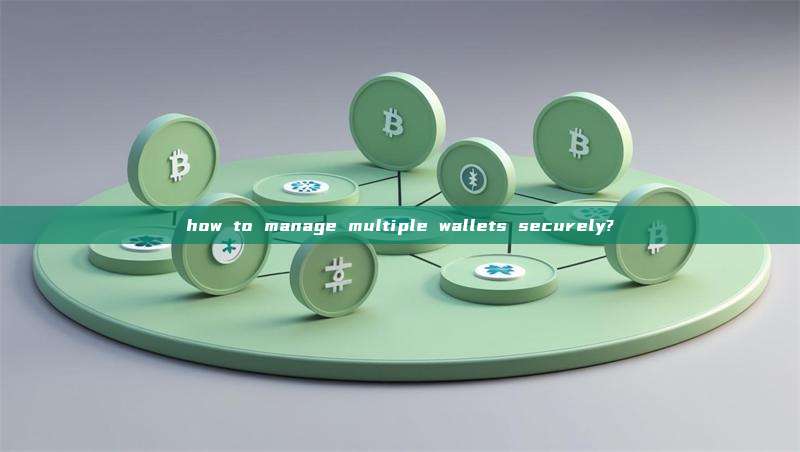
Managing multiple cryptocurrency wallets securely requires a combination of organization, strong security practices, and the right tools. Here’s a step-by-step guide to help you keep your wallets safe:
1. Use a Secure Wallet Management System
-
Hardware Wallets (Cold Storage) – Use devices like Ledger, Trezor, or Coldcard for long-term storage of large amounts. These keep private keys offline.
-
Hot Wallets (For Frequent Use) – Use mobile or desktop wallets like Exodus, Trust Wallet, or MetaMask for daily transactions, but keep only small amounts in them.
2. Organize Your Wallets
-
Label Each Wallet – Assign clear names (e.g., "BTC Savings," "ETH Trading") to avoid confusion.
-
Track Public Addresses – Maintain a spreadsheet (offline or encrypted) with wallet addresses and their purposes.
-
Separate by Purpose – Use different wallets for:
-
Long-term holdings (cold storage)
-
Trading (hot wallets)
-
DeFi/NFT interactions (dedicated wallets to minimize exposure)
3. Secure Private Keys & Seed Phrases
-
Never Store Digitally in Plain Text – Avoid saving seed phrases or private keys in emails, cloud storage, or notes apps.
-
Use Metal Backup – Store seed phrases on fireproof/waterproof metal plates (e.g., Cryptosteel, Billfodl).
-
Shamir’s Secret Sharing (Advanced) – Split your seed phrase into multiple parts and store them in separate secure locations.
-
Multi-Sig Wallets – For extra security, use wallets requiring multiple approvals (e.g., Gnosis Safe).
4. Enable Strong Security Measures
-
Two-Factor Authentication (2FA) – Use Google Authenticator or Authy (not SMS) for exchange-linked wallets.
-
Password Managers – Store wallet passwords securely (e.g., Bitwarden, KeePass).
-
Biometric/Face ID – Enable if supported by your wallet app.
5. Minimize Exposure
-
Avoid Reusing Addresses – Some blockchains (e.g., Bitcoin) benefit from address rotation for privacy.
-
Use Burner Wallets – For risky interactions (e.g., new DeFi protocols), use a disposable wallet.
-
Limit Wallet Connections – Revoke unused dApp permissions (use Etherscan’s Token Approvals tool for Ethereum).
6. Regular Security Audits
-
Check for Unauthorized Activity – Monitor wallet addresses using blockchain explorers (e.g., Etherscan, Blockchain.com).
-
Update Software – Keep wallets and firmware (for hardware wallets) up to date.
-
Revoke Old Permissions – Regularly review and revoke smart contract allowances.
7. Backup & Recovery Plan
-
Test Recovery – Ensure you can restore wallets from seed phrases before storing large amounts.
-
Share Access Securely (If Needed) – For inheritance, use a secure will or a tool like Casa’s Inheritance Plan.
8. Avoid Common Pitfalls
-
No Phishing Scams – Never enter seed phrases on websites or share them with anyone.
-
Verify Transactions – Double-check addresses before sending funds (use copy-paste, not manual entry).
-
Beware of Fake Wallets – Only download wallets from official sources (check URLs carefully).
Recommended Tools
-
Hardware Wallets: Ledger Nano X, Trezor Model T
-
Hot Wallets: MetaMask (EVM), Phantom (Solana), Trust Wallet (Mobile)
-
Password Managers: Bitwarden, KeePassXC
-
Backup Solutions: Cryptosteel, Billfodl
By following these best practices, you can securely manage multiple wallets while minimizing risks like theft, loss, or human error. Always prioritize security over convenience for long-term holdings.