In 2026, bridging crypto assets across blockchains (for example, moving from Ethereum to Solana) typically costs 0.1%–0.3% protocol fee plus source-chain gas fees. For most users, the total comes out to a few cents to a few dozen dollars — often just $0.50 to $5 for a $1,000 transfer. Transfer times are usually a few seconds to 5 minutes, with the fastest intent-based bridges delivering assets in seconds. Compared to 2023–2024 when fees could hit $100+ and waits stretched for hours, things are now super user-friendly. The exact cost and speed depend on the bridge you choose, network congestion, and amount you’re moving. Modern intent-based bridges like Across and deBridge make it feel almost instant and cheap. Below, we break it down step by step from a complete beginner’s perspective.
Introduction: What Is Cross-Chain Bridging and Why Should Beginners Care About Fees and Time?
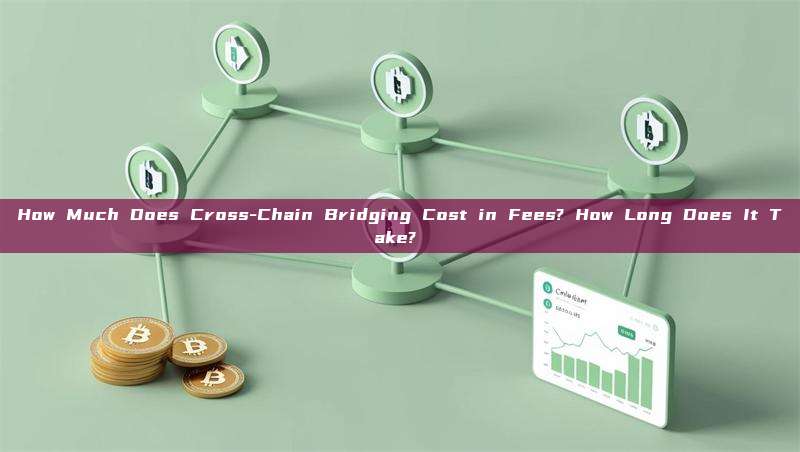
Think of blockchains like separate bank networks — Ethereum is one “bank,” Solana is another, Arbitrum and Base are fast side networks, and so on. They don’t talk directly to each other, so you can’t just send tokens the normal way. A cross-chain bridge acts like a secure transfer service that moves your assets safely from one chain to another.
By 2026, the multi-chain world is booming. DeFi, gaming, NFTs, and everyday trading all happen across different blockchains. If you don’t know how to bridge, you’ll miss out on cheaper fees, faster transactions, and better opportunities on low-cost chains like Solana (where gas is basically free).
Newbies always ask the same two questions: How much does it cost? and How long will I wait? This guide explains everything in plain, beginner-friendly English. We’ll cover the basics, real 2026 data with a comparison table, common questions and answers, and practical tips to save money and stay safe. By the end, you’ll feel confident bridging your first small test transaction.
Breaking Down Cross-Chain Fees and Transfer Times
1. How Cross-Chain Bridging Works (Super Simple Explanation)
There are three main types of bridges in 2026:
Intent-based bridges (the newest and most popular, like Across and deBridge): Smart systems ask “solvers” or relayers to front you the money on the destination chain almost instantly. Super fast and low-risk.
Liquidity pool bridges (like Stargate): The bridge uses pre-funded pools to swap your assets for native tokens on the other side. Fast with good liquidity.
Lock-and-mint bridges (older style, like parts of Wormhole): Your tokens get locked on the source chain, and a wrapped version is created on the destination. Reliable but can be a bit slower.
Beginners should start with intent-based bridges — they’re the simplest, fastest, and usually cheapest.
2. What Makes Up the Total Bridging Fee?
Fees aren’t a single flat number. They usually include:
Protocol fee — What the bridge itself charges (often 0.04%–0.3%, or a tiny flat amount like $0.04).
Gas fees — The “fuel” cost on the source blockchain. Ethereum mainnet can still be $5–50 during busy times, but Layer 2s like Arbitrum or Base are often under $2, and Solana is pennies or less.
Slippage or minor extras — For large transfers, there might be a tiny price difference, but good bridges and aggregators minimize this.
Real-world example: Bridging $1,000 USDC from Ethereum to Solana might cost you $0.50–$5 total (roughly 0.05%–0.5%). That’s way cheaper than traditional bank international wires.
Factors that affect your cost:
Network congestion (check gas trackers before you send).
Transfer amount (small amounts get hit harder by fixed fees; larger ones benefit from percentage fees).
Which bridge and route you pick.
Whether you start from a cheap Layer 2 instead of Ethereum mainnet.
3. How Long Does a Cross-Chain Transfer Take?
In 2026, most good bridges are “near-instant”:
Intent-based bridges: A few seconds to 1 minute.
Liquidity pool bridges: Usually under 1 minute.
Traditional bridges: 2–15 minutes.
Why the difference? It depends on how quickly the source chain confirms your transaction, how the bridge verifies it, and how fast the destination chain finalizes. With modern tech, 99% of transfers finish in under 5 minutes when networks aren’t jammed.
Pro tip for beginners: Always do a tiny test transfer first (like $10–20) so you can see the exact time and cost before moving bigger amounts.
4. 2026 Cross-Chain Bridge Comparison
Here’s a clear comparison of popular bridges based on 2026 industry data. Fees shown are typical for a $1,000 USDC transfer under normal conditions (gas calculated at moderate congestion). Always check live quotes on the bridge site or an aggregator like Jumper, as prices fluctuate.
| Bridge Protocol | Type | Typical Protocol Fee | Total Estimated Cost ($1,000 USDC) | Arrival Time | Supported Chains (approx.) | Best For | Security Highlights |
|---|---|---|---|---|---|---|---|
| Across Protocol | Intent-based | Flat ~$0.04 + gas | $0.50 – $3 | Seconds | Ethereum, Arbitrum, Base, Optimism (+15+) | Fast L2-to-L2 moves | No major exploits |
| deBridge | Intent-based | 0.04%–0.08% + gas | $0.50 – $4 | Seconds | Ethereum, Solana, Arbitrum, Base (+30) | Broad multi-chain, swaps | No major exploits, strong audits |
| Stargate (LayerZero) | Liquidity pool | 0.06% + gas | $1 – $5 | Sub-minute (<1 min) | Mainly EVM chains (+20–40) | Native assets, stablecoins | No direct exploits |
| Symbiosis Finance | Liquidity + routing | 0.10%–0.20% + gas | $1.50 – $6 | 5–30 seconds | Ethereum, BSC, Solana, Tron (+50) | Wide coverage, many tokens | No major exploits |
| Wormhole (Portal) | Lock-and-mint | 0% protocol + gas | $2 – $10 (mostly gas) | 2–15 minutes | 30+ including Solana, Sui | Non-EVM chains, NFTs | Past 2022 exploit (fixed) |
Table Quick Takeaways:
Cheapest + fastest for most people: Across and deBridge.
Best broad coverage: Symbiosis or Wormhole.
Want zero protocol fee: Wormhole (but you still pay gas).
Smart move: Use a bridge aggregator like Jumper Exchange to compare routes in one click — it often saves another 20–50%.
FAQ
Q1: What’s the difference between a normal transfer and cross-chain bridging?
A normal transfer happens on the same blockchain (Ethereum to Ethereum) and is usually cheap and instant. Cross-chain bridging moves assets between different blockchains, so it needs a bridge as a middleman and includes a small extra protocol fee. In 2026, the experience is now very close to a regular transfer.
Q2: Why do fees vary so much between bridges?
It depends on the technology and gas costs. Intent-based bridges use solvers who front the money, so you pay very little gas. Older bridges make you pay full source-chain gas. Busy times on Ethereum mainnet make everything more expensive — switching to a Layer 2 first can cut costs by 90%.
Q3: What’s the cheapest way to bridge crypto?
Use intent-based bridges like Across or deBridge from a low-gas starting chain (e.g., move to Arbitrum first, then bridge). Aggregators often find the best deal. Some wallets or exchanges offer internal bridging that’s free or very low.
Q4: What’s the fastest cross-chain transfer? How do I do it safely as a beginner?
The fastest is usually seconds with deBridge or Across. Steps: 1) Connect your wallet (MetaMask, Phantom, etc.). 2) Go to the bridge site or Jumper. 3) Enter amount and compare quotes. 4) Approve and confirm the transaction. 5) Track it on a block explorer. Always test with a small amount first and double-check addresses.
Q5: How much does it cost and take to bridge ETH/USDC from Ethereum to Solana?
Typically $1–$5 total (0.1%–0.5%) and 1–3 minutes using deBridge or Across/Wormhole. Starting from a Layer 2 instead of Ethereum mainnet usually halves the cost.
Q6: Is there a way to bridge almost for free?
Yes — Wormhole often has 0% protocol fee, and Hop Protocol between Ethereum Layer 2s can cost just pennies in gas. Some tools even run promotions with rebates. Truly zero-fee is rare because gas still exists, but it can get extremely cheap.
Q7: How can I avoid high fees and long waits?
Bridge during off-peak hours.
Use gas trackers to check prices.
Start on a Layer 2 instead of mainnet.
Choose intent-based bridges and aggregators.
Bridge larger amounts at once (or split if worried).
Stick to low-fee destination chains like Solana or Tron.
Q8: Is bridging risky? How do newbies stay safe?
There is smart-contract risk (some old bridges have been hacked in the past), but top bridges in 2026 have strong audits, high TVL, and bug bounties. To reduce risk: Stick to well-known bridges from the table, start small, enable wallet security (2FA, hardware if possible), never click suspicious links, and always verify the destination token contract after arrival.
Conclusion
Bridging fees and wait times are no longer big barriers. With the right tools, most people can complete a transfer in minutes for just a couple of dollars. The key tips: Compare live quotes with aggregators, prefer intent-based bridges, test small first, and prioritize safety over chasing the absolute cheapest option.
The blockchain world offers tons of opportunities once you can move freely between chains. Keep an eye on sites like DeFiLlama for bridge TVL rankings and gas trackers for the best timing.