Staking multiple tokens in a single DeFi interface is a common practice to manage a diversified portfolio efficiently. Here’s a comprehensive breakdown of how it works, the benefits, risks, and popular platforms.
How It Works: The Concept of "Yield Aggregators" or "Vaults"
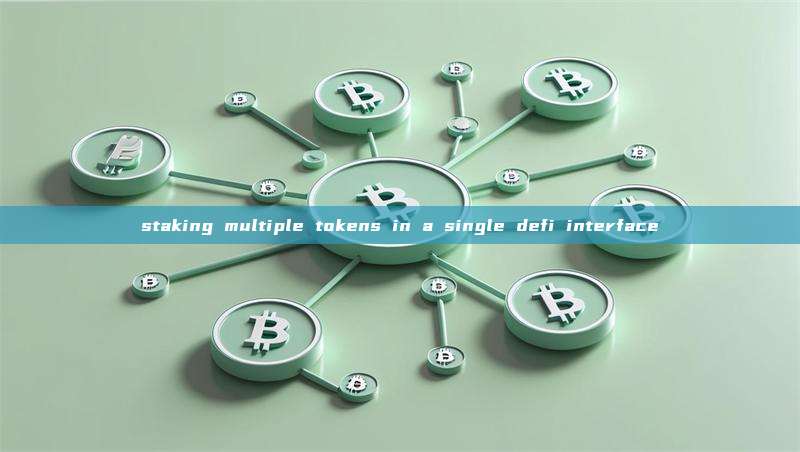
Modern DeFi interfaces simplify multi-token staking by acting as aggregators. Instead of visiting 10 different protocols, you deposit various tokens into a single platform, which automatically allocates them to the highest-yielding strategies across multiple protocols.
Key Mechanisms:
-
Single-Sided Staking Vaults: You deposit a single token (e.g., ETH, USDC, AVAX), and the platform automatically stakes it in the best available farm, often compounding rewards for you.
-
LP Token Staking: You provide liquidity to a DEX (e.g., Uniswap, PancakeSwap) to receive LP tokens, then stake those LP tokens in an aggregator to earn additional rewards.
-
Index Tokens / Basket Vaults: You buy a single token that represents a diversified basket of staked assets (e.g., a DeFi Index token).
Popular Platforms for Multi-Token Staking
1. Yield Aggregators (The Most Common Approach)
These platforms accept multiple tokens and automate the staking process.
-
Yearn Finance: The pioneer. Deposit major tokens (ETH, stablecoins, BTC variants) into "Vaults" that automatically seek optimal yield across lending platforms (Aave, Compound) and liquidity pools.
-
Beefy Finance: Multi-chain yield optimizer for LP tokens and single assets. Known for auto-compounding.
-
Autofarm & ACryptoS: Similar multi-chain aggregators with a wide range of vaults.
2. Centralized DeFi Dashboards
-
DeFi Saver: Combines management of positions (like MakerDAO CDPs) with yield farming strategies in one dashboard.
-
Zapper.fi / DeBank: Primarily portfolio dashboards, but often integrate direct staking actions for multiple assets from a single interface.
3. Multi-Chain Staking Hubs
-
StakeDAO: Offers "vaults" for single tokens and LP tokens across Ethereum, Polygon, Arbitrum, etc.
-
Ankr Staking: Simplified staking for various Proof-of-Stake chains (ETH, BNB, etc.) and liquid staking tokens.
4. All-in-One DeFi Platforms (Often on Specific Chains)
-
Trader Joe (Avalanche, Arbitrum): AMM, lending, and staking all in one place. You can stake JOE, provide liquidity, and stake the LP tokens all in the same interface.
-
MM Finance (Cronos, Polygon): Similar all-in-one ecosystem with farms for many tokens.
Benefits of Using a Single Interface
-
Convenience & Time-Saving: One dashboard to manage everything.
-
Gas Efficiency: Aggregators batch transactions, which can save on gas fees (especially on Ethereum).
-
Auto-Compounding: Most automatically reinvest your rewards, maximizing APY through compound interest.
-
Strategy Optimization: Teams actively monitor and shift strategies to chase the safest highest yields.
-
Portfolio Overview: See all your staked assets and yields in one place.
Critical Risks & Considerations
⚠️ Smart Contract Risk: You are exposed to the aggregator's contracts, which are complex and prime targets for exploits. Audits are crucial.
⚠️ Protocol Risk: The underlying protocols where your funds are ultimately deployed can also fail or be hacked.
⚠️ Impermanent Loss (For LP Staking): If you're staking LP tokens, you are exposed to IL if the token pair prices diverge.
⚠️ Token/Governance Risk: Many aggregators reward you with their own native token, which can be volatile.
⚠️ Centralization Risk: Some platforms use multi-sigs or admin keys that could pose a risk if compromised.
⚠️ Complexity Risk: It's easy to misunderstand where your funds are and what risks you're taking.
Best Practices for Safe Multi-Token Staking
-
Do Your Own Research (DYR): Never chase APY blindly. Understand the platform, the team, and the audit status (e.g., from firms like CertiK, OpenZeppelin).
-
Start Small: Test with a small amount before committing significant capital.
-
Verify Contracts: Double-check you're on the correct website (watch for phishing scams) and interacting with the verified contract.
-
Understand the Underlying Strategy: Know which protocols your funds are being deployed to.
-
Use a Hardware Wallet: Never stake from an exchange wallet. Use a non-custodial wallet like Ledger or Trezor connected to the DeFi interface.
-
Monitor: DeFi moves fast. Conditions and risks can change rapidly.
Example Workflow (Using Yearn for a Stablecoin)
-
Connect Wallet: Connect your MetaMask to yearn.finance.
-
Choose Vault: Navigate to the "Vaults" section and select a USDC vault.
-
Deposit: Approve the contract and deposit your USDC.
-
What Happens: Yearn pools your USDC with others and deploys it to strategies—maybe lending some on Compound, providing some to a Curve pool, etc.—always seeking the best risk-adjusted yield.
-
Earn: You earn yield in USDC, which is automatically reinvested, increasing your share of the vault.
Conclusion
Staking multiple tokens from one interface is a powerful DeFi feature that brings convenience and potential yield optimization. Yield aggregators like Yearn, Beefy, and StakeDAO are the primary tools for this. However, the convenience adds layers of complexity and risk. Always prioritize security and understanding over attractive APYs. Start with well-established platforms on reputable chains, and never invest more than you can afford to lose.