Yes, in most hard forks, if you control your own private keys (meaning your coins are in a non-custodial wallet like MetaMask, Electrum, Trust Wallet, or a hardware wallet), you’ll automatically receive an equal amount of the new coins while keeping your original ones. For example, during the 2017 Bitcoin (BTC) fork that created Bitcoin Cash (BCH), anyone holding 1 BTC got 1 BCH for free.
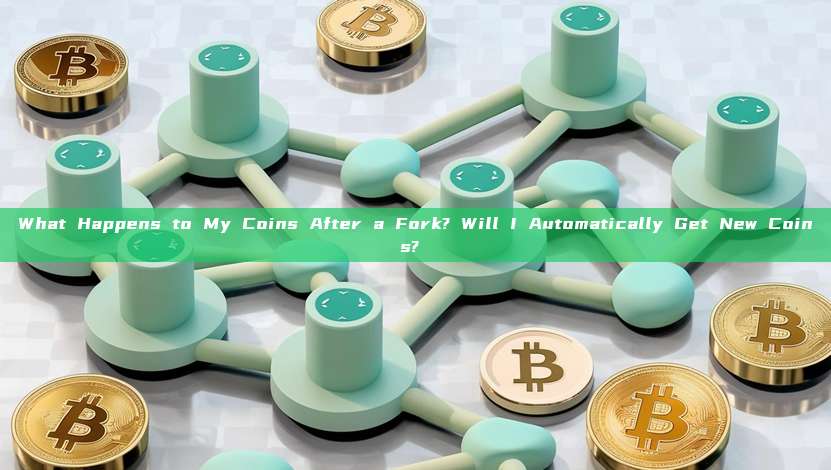
However, if your coins are on an exchange (like Binance, Coinbase, or Kraken), it depends entirely on the exchange’s policy. Some will automatically credit you with the new coins, others might not support the fork at all, or they may require you to claim them manually. Soft forks are different—they don’t create any new coins and won’t affect your holdings.
Below, we’ll break everything down in plain English so even complete beginners can follow along. This is for educational purposes only and is not financial advice. Forks are like “divorces” in the blockchain world—understanding them helps you protect your assets and spot real opportunities.
Introduction: What Exactly Is a Blockchain Fork and Why Does It Happen?
Picture this: A group of people lives in one big house (the blockchain) and follows the same set of house rules (the protocol). One day, some folks want to renovate—maybe make the rooms bigger or add faster doors (increase block size or speed)—but others like the old setup just fine. They can’t agree, so they split into two separate houses. That split is called a fork.
There are two main types:
Soft fork: A gentle upgrade. It’s like updating your phone’s software so it still works with older apps. Old nodes can still recognize the new rules. No new coin is created, and your original coins stay exactly the same. Bitcoin’s SegWit upgrade was a soft fork.
Hard fork: A full breakup. The new and old rules are completely incompatible. The blockchain splits into two independent chains: the original one and a brand-new one. The new chain usually launches its own brand-new cryptocurrency.
Hard forks usually happen because of big disagreements in the community (about scalability, governance, or fixes for serious bugs), or when developers and miners have conflicting interests. After a hard fork, both chains share the same history up to the split point, but they go their separate ways afterward.
The big deal for you as a holder? Your “property rights” (your coin balance) get copied to the new chain at the moment of the fork. If you held coins before the split and control your private keys, you end up with coins on both chains. That’s why people talk about “free airdrops.” But it’s not always easy money—prices swing wildly, one chain often becomes dominant, and there are real risks. Let’s dig deeper.
What Actually Happens to Your Coins After a Fork?
1. Self-Custody Wallets (Non-Custodial) vs. Exchange Holdings
Self-custody wallets: You hold your own private keys (you have the “house keys”). At the exact moment of the fork, the blockchain takes a snapshot of your balance. The new chain automatically credits the same amount of new coins to your address. You just need to import your private keys into a wallet that supports the new chain, and the new coins will appear. No extra steps required—you get them automatically!
Exchanges or centralized platforms: You don’t actually hold the keys—the exchange does. After a fork, the exchange decides what happens. They might:
Support the new coin and automatically distribute it to your account.
Only support the main chain and ignore the new one.
Pause withdrawals or ask you to submit a claim.
Pro tip: Before any expected fork, withdraw your coins to your own wallet to stay in control and avoid surprises.
2. Conditions and Steps to Receive New Coins
Timing: You must have held the original coins before the fork block height. Coins bought after the fork don’t qualify.
Ratio: It’s usually 1:1 (1 old coin = 1 new coin), though exceptions exist.
How to claim them safely:
Back up your wallet and double-check your private keys before the fork.
After the fork, import your keys into a compatible wallet for the new chain.
Watch out for replay attacks—the same signed transaction could be valid on both chains. Use replay protection tools or test with tiny amounts first.
Wait until the new coin is listed on exchanges before trying to sell or trade it.
3. Risks and Important Warnings
Price volatility: New coins often pump hard right after launch and then crash. Your original coin may also drop temporarily as the market worries about the split.
Security risks: Scams explode during forks—fake wallets, phishing sites, and shady links are everywhere. Never click suspicious links or share your seed phrase.
Taxes: In some countries, the new coins may count as taxable income. Check your local rules (U.S. holders should consult IRS guidelines).
Community drama: The two chains may compete for hash power, users, and attention, sometimes leading to nasty public fights.
Not always profitable: Plenty of fork coins have lost almost all their value over time.
4. Famous Hard Fork Examples
Bitcoin Cash (BCH) fork (August 1, 2017): Caused by disagreement over Bitcoin’s 1MB block size limit. BTC holders automatically received equal BCH. The goal was to make Bitcoin better for everyday payments.
Ethereum Classic (ETC) fork (July 20, 2016): After The DAO hack stole millions of ETH, the Ethereum team hard-forked to recover the funds. The new chain became today’s ETH; the old chain stayed as ETC (“code is law”). ETH holders got equal ETC.
Bitcoin SV (BSV) fork (November 15, 2018): A further split from BCH, pushing for even larger blocks and “Satoshi’s original vision.”
These examples show that forks can deliver “free” coins but also create market chaos.
Historical Data Comparison
Here’s a clear side-by-side look at real historical forks. Prices are approximate USD values around the fork time and shortly after (based on public market records). This helps beginners see that getting new coins doesn’t always mean doubling your money.
| Fork Event | Date | Original Coin | New Coin | Ratio | Price Before Fork (Original) | Initial New Coin Price | 1-Year Outcome | Overall Impact on Holders |
|---|---|---|---|---|---|---|---|---|
| Bitcoin Cash Fork | Aug 1, 2017 | BTC | BCH | 1:1 | BTC ~$2,700 | BCH ~$240–$500 | BCH peaked near $4,000 then dropped sharply; BTC kept rising | Short-term gain, long-term dilution |
| Ethereum DAO Fork | Jul 20, 2016 | ETH | ETC | 1:1 | ETH ~$10–$12 | ETC ~$1–$2 | ETC lagged far behind ETH; ETH ecosystem boomed | Original coin dominated |
| Bitcoin SV Fork | Nov 15, 2018 | BCH | BSV | 1:1 | BCH ~$300 | BSV ~$90–$100 | BSV remained low and volatile | Low market acceptance |
| Bitcoin Gold Fork | Oct 24, 2017 | BTC | BTG | 1:1 | BTC ~$4,000+ | BTG ~$100–$200 | BTG lost most value quickly | High risk of near-zero outcome |
What the numbers tell us:
Getting new coins doesn’t guarantee extra wealth. Right after the fork, the total value of both chains is often close to what the original was worth before the split (the market re-prices everything). But usually one chain becomes the clear winner while the other fades. In 2017, BTC holders got “free” BCH, but BCH later lost over 95% of its value relative to BTC.
Always check current data on CoinMarketCap or CoinGecko for the latest charts.
FAQ
Q1: Will my original coins disappear or go to zero after a fork?
A: No. Both chains keep running independently. Your original coins stay on the old chain and continue to work normally. The new coins are just extra.
Q2: Will I definitely get the new coins automatically? When might I miss out?
A: Yes—if you control your private keys and held the coins before the fork. You might miss out if your coins are on an exchange that doesn’t support the fork, if they’re staked, lent out, or sitting in a DeFi protocol.
Q3: What’s the difference between soft forks and hard forks for coin holders?
A: Soft forks create no new coin and cause no split. Hard forks are the ones that can give you new coins—but they also come with more risk.
Q4: Will my exchange automatically give me the new coins? How do I check?
A: It depends. Big exchanges often announce their plans ahead of time. Check their official blog or support page before the fork. If they don’t support it, you’ll need to withdraw to your own wallet.
Q5: Once I get the new coins, how do I use them safely? What about replay attacks?
A: Start with very small test transactions on one chain first. Many new chains have built-in replay protection. Hardware wallets (like Ledger or Trezor) add extra safety. Never spend the exact same transaction signature on both chains at the same time.
Q6: Are forks a good way to make money or just a trap?
A: They can be both. Some forks create short-term trading opportunities, but most new coins lose value over time compared to the original. The 2017 fork wave was exciting, but many of those coins are barely active today.
Q7: How should I prepare if another fork is coming?
A: 1. Follow official project announcements on their website, Twitter/X, and Discord. 2. Move coins to your own wallet well before the fork. 3. Back up your seed phrase securely. 4. Have a wallet ready that supports the new chain. 5. Stay away from shady links or “free coin” scams.
Q8: Do forks affect the whole crypto market?
A: Yes. Big forks like the 2017 BTC-BCH split caused major price swings across the entire market as money moved between coins.
Conclusion
Blockchain forks are basically the community voting with code on which future they want. As a holder, you may get “free” new assets if you control your keys and prepare ahead of time. But the real value depends on which chain the market ultimately supports.
Practical tips for beginners:
Hold major coins like BTC or ETH in hardware wallets for maximum control.
Do your own research (DYOR) on which chain seems stronger.
Treat crypto as a high-risk asset—never invest more than you can afford to lose, and diversify.
As technology improves with Layer 2 solutions and sidechains, hard forks may become less common, but knowing how they work is still essential knowledge.
After a fork, your original coins won’t vanish—they might even multiply. But long-term success comes down to market consensus, not just getting the new tokens.