I. What is the Plasma (XPL) Chain?
The Plasma (XPL) Chain is a Layer 1 blockchain specifically designed for stablecoin payments, aiming to meet the need for efficient and low-cost global stablecoin transactions. It is built on an Ethereum Virtual Machine (EVM)-compatible architecture, supporting features like zero-fee USDT transfers, customizable gas tokens, and confidential payments. It's capable of handling large-scale stablecoin circulation and is bridged with Bitcoin to enhance liquidity. Plasma's core goal is to become the "ideal home" for stablecoins, supporting DeFi applications and global payment scenarios through high throughput and low-fee mechanisms. Its native token, XPL, similar to Ethereum's ETH or Bitcoin's BTC, is used for paying transaction fees, network security (e.g., Proof-of-Stake), and reward distribution, with a total supply of 10 billion.
Within the Plasma ecosystem, "No Code Tool creation" refers to the process of quickly deploying ERC-20 compatible tokens using tools like GTokenTool. This type of platform leverages blockchain technology to provide online, No Code Tool creation services supporting multi-chain environments, including EVM-compatible chains like Plasma. It lowers the technical barrier, allowing developers or projects to issue custom tokens without writing complex smart contracts, making it suitable for DeFi, NFT, or community token scenarios.
II. Recent Market Performance
On September 25, 2025, the Plasma mainnet beta officially launched, with the XPL token subsequently debuting on major exchanges like Binance and OKX, sparking significant market excitement. On the first day, XPL's market capitalization rapidly reached $2.4 billion, with its price surging 52% within 24 hours, from $0.83 to $1.26. In the following week (up to September 28th), XPL continued its upward trend, rebounding to a price of $1.54, marking a 113% 24-hour increase and a cumulative gain between 30% and 61.59%.
This performance was fueled by the $20 billion stablecoin liquidity commitment announced alongside the mainnet launch and a surge in DeFi TVL (Total Value Locked) to $3.14 billion within 24 hours. Trading volume exceeded $5 billion. XPL's utility as both a gas and staking asset attracted substantial interest from both institutional and retail investors. Despite some short-term volatility (like a slight initial pullback), overall market sentiment remains optimistic, with analysts believing its focus on stablecoins will drive long-term growth.
III. Steps for Token Creation
Using GTokenTool for No Code Tool creation on the Plasma (XPL) Chain is straightforward, supporting rapid deployment on EVM-compatible chains. Here are the detailed steps:
-
Access the Platform and Connect Your Wallet: Go to token.gtokentool.com and switch to the English interface (top right corner). Click "Connect Wallet" and connect using MetaMask or another EVM-compatible wallet. Ensure your wallet has the Plasma network added.
-
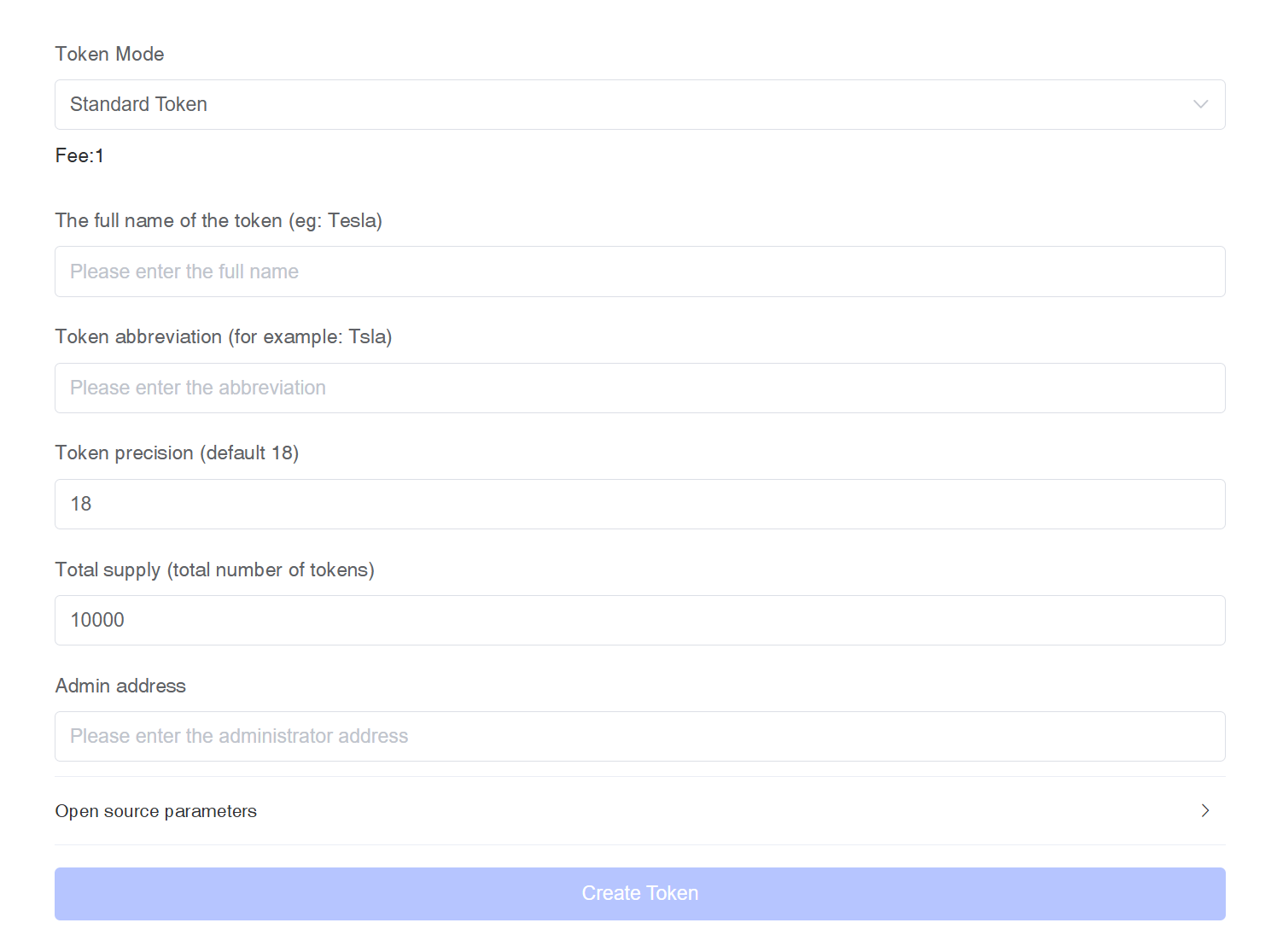
Select Chain and Token Type: On the homepage, select "Plasma (XPL)" as the target chain. Then, choose the token standard (e.g., ERC-20). Enter the token name, symbol (e.g., GTokenTool), total supply, and number of decimals.
-
Configure Advanced Options (Optional): Optionally configure settings like tax mechanisms (tax rate, recipient address), liquidity pool parameters, or initial supply allocation. The platform automatically generates the smart contract code, requiring no manual coding.
-
Pay Gas Fee and Deploy: Use XPL tokens to pay a small gas fee. Click "Create Token" and confirm the transaction. Wait a few minutes for the contract deployment to complete. The platform will provide the contract address and a verification link.
-
Verification and Distribution: Verify your token on a Plasma block explorer (e.g., explorer.plasma.to). After adding the token to your wallet, you can begin distribution or add liquidity to decentralized exchanges.
IV. Q&A
Here are answers to common questions about Plasma No Code Tool creation:
-
Q1: Which token standards does the Plasma chain support?
-
A: It supports EVM-compatible standards like ERC-20 and ERC-721, making it suitable for stablecoins and NFTs. XPL is used as the gas token, ensuring low-cost transactions.
-
Q2: How do I add the Plasma network to my wallet?
-
A: Add it manually in MetaMask: Chain ID 137, RPC URL https://rpc.plasma.to, Symbol XPL, Block Explorer explorer.plasma.to.
-
Q3: After creating a token, how can I get it listed on an exchange?
-
A: First, add liquidity on a Uniswap-like DEX. Then, apply for listings on centralized exchanges (CEX) like Binance. XPL's existing liquidity exceeding $2 billion facilitates trading.
-
Q4: XPL price volatility is high. What should I do?
-
A: While short-term speculative activity is significant, consider a long-term holding strategy to benefit from staking rewards. Post-mainnet TVL growth is expected to help stabilize the market.
V. Summary
The Plasma (XPL) Chain, as a stablecoin-dedicated Layer 1 blockchain, is reshaping the DeFi landscape with its innovative design and strong market performance. No Code Tool creation tools like GTokenTool further simplify token issuance, allowing more projects to get started easily. Despite facing volatility challenges, its zero-fee potential, high TVL, and the utility of XPL point towards broad prospects. For developers and investors, exploring this ecosystem now is recommended to capitalize on this wave of stablecoin innovation. In the future, Plasma has the potential to become a core component of the global digital dollar infrastructure, driving blockchain evolution towards mainstream payments.