To get started in DeFi as a beginner, just follow these three steps:
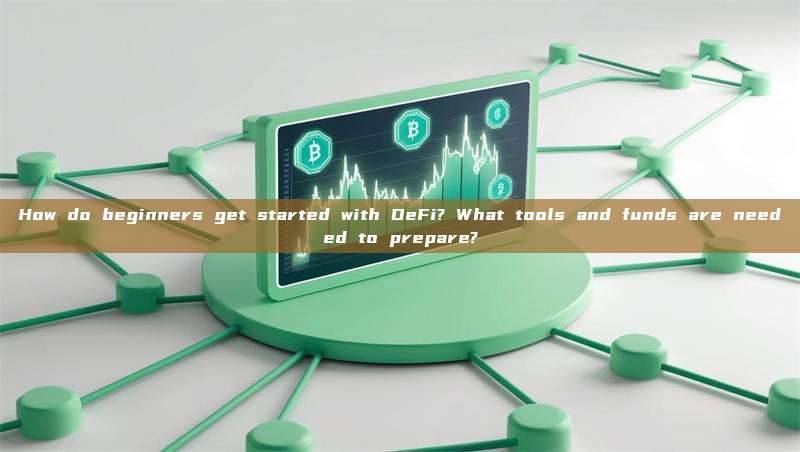
1. Tool Preparation: Install a self-custodial wallet (MetaMask is highly recommended), set aside $50–$200 as "learning capital," and buy ETH or USDC on a centralized exchange before transferring it to your wallet.
2. Entry-Level Strategies: Start with the simplest option—staking. Deposit your assets into established protocols like Lido to earn passive yield. Once comfortable, try swapping tokens on a decentralized exchange (DEX). Finally, consider advanced moves like lending and borrowing.
3. Security Baseline: Never share your seed phrase with anyone. Always double-check contract addresses before approving transactions. Avoid "unlimited approvals," and strongly consider using a hardware wallet for any significant holdings.
Remember the golden rule: Learn first, invest second. Start small, then scale. And always keep enough gas fee in reserve. Below, we'll break down every step in detail.
Introduction: Why It's Worth Understanding DeFi Right Now
Have you ever thought about this: parking your spare cash in a traditional bank account earns you a measly 1–2% annual interest. But if you learn to navigate DeFi (Decentralized Finance) , that same capital could potentially generate 5–10% annual yield—or even more.
DeFi is an open financial system built on blockchain technology and powered by smart contracts. It eliminates the need for traditional intermediaries like banks or brokerages. Anyone with a crypto wallet can participate in lending, trading, staking, and other financial services without permission. As the DeFi market continues its recovery into 2026, the Total Value Locked (TVL) across protocols has surged back above the $100 billion mark, and more everyday people are dipping their toes into on-chain finance.
But DeFi is a double-edged sword. In April 2026, Drift Protocol, a leading DEX on Solana, suffered an exploit resulting in an estimated $280 million loss—one of the largest DeFi security incidents of the year. Behind the allure of high yields lie smart contract vulnerabilities, phishing scams, and risky token approvals.
This guide will walk you through everything a beginner needs: what to prepare, how to execute, and most importantly, how to avoid getting burned. We'll use a data table to help you compare top protocols at a glance and wrap up with a Q&A covering the 8 most pressing questions for newcomers.
A Complete Step-by-Step Walkthrough for DeFi Beginners
Step 1: Pre-Flight Checklist for Newcomers
1. Essential Tool: Install a Self-Custodial Wallet
The first ticket to the DeFi world is a self-custodial wallet. Unlike keeping funds on a centralized exchange, a self-custodial wallet gives you full ownership and control—you hold the private keys, not the platform.
Recommendation: MetaMask
MetaMask is the most widely used self-custodial wallet globally and offers seamless integration with virtually every DeFi dApp—from staking and lending to liquidity mining. You can connect MetaMask to protocols like Aave, Uniswap, and Lido with just a few clicks.
Setup and Usage Steps:
Download & Install: Get the official MetaMask extension from the Chrome Web Store or download the mobile app from the iOS/Android app store.
Create a Wallet: Click "Create a new wallet" and set a local unlock password (this password only unlocks the app on your device; it does not store your private keys).
Back Up Your Seed Phrase: The system will generate a 12-word seed phrase (e.g., "apple banana cat...").
CRITICAL: Write these 12 words down on paper with a pen. Store this paper in a secure, offline location.
NEVER take a screenshot of it or type it into any website or online form. Anyone with your seed phrase owns your entire wallet.
Add Networks and Tokens: Start with the Ethereum Mainnet. Once you're more comfortable, you can manually add Layer 2 networks like Arbitrum or Optimism to save significantly on gas fees.
💡 Pro Tip: For larger amounts, consider pairing your software wallet with a hardware wallet like Ledger or Trezor. This keeps your private keys completely air-gapped, protecting your assets even if your computer is compromised.
2. Capital Requirements: How Much Money Should You Start With?
This is the number one question beginners ask. The answer is simple: Only use money you are 100% okay with losing. A reasonable starting range is $50 to $200 USD.
Here's the breakdown:
Absolute Minimum: Theoretically, you could participate with as little as $15 worth of crypto, but gas fees on Ethereum mainnet will eat you alive. Don't start with less than $50.
Recommended Starter Fund: $50–$200. This amount allows you to fully experience staking, swapping, and maybe a small lending position without causing a financial heart attack if you make a mistake.
Advanced Operations: If you plan to get into liquidity provision or leveraged looping, consider starting with $1,000 or more so that gas fees represent a smaller percentage of your total position.
The Golden Rule: This should be money you'd be okay with setting on fire. Do not—under any circumstances—deposit your rent money or emergency savings into DeFi while you're still learning the ropes.
3. How to Convert Fiat Currency to On-Chain Assets
You have two primary options for getting crypto onto the blockchain:
Buy on a Centralized Exchange (CEX): Platforms like Coinbase, Binance.US, or Kraken are the most cost-effective way to buy ETH or USDC with your bank account. After purchasing, withdraw the funds to your MetaMask wallet address.
Buy Directly Within the Wallet: MetaMask offers built-in fiat on-ramps (via third-party providers like MoonPay or Transak). This is convenient but generally incurs higher fees than a standard exchange.
Step 2: Recommended Starting Strategies for Newbies
Strategy 1: Staking — The Easiest and Safest Entry Point
Staking is the most beginner-friendly DeFi activity. You simply deposit your crypto assets into a staking protocol and earn passive yield. There's no complex management required.
Recommended Protocol: Lido Finance
Lido is the leading liquid staking protocol. It allows users to stake assets like ETH and earn rewards while receiving a tradable derivative token (stETH) in return. As of 2026, it holds the largest TVL in the DeFi sector. Its advantages for beginners are clear:
No minimum deposit requirement like the 32 ETH needed for solo staking.
You receive stETH, which can be deployed in other DeFi protocols to earn additional yield (a strategy known as "yield stacking" or "composability").
The protocol is battle-tested and considered one of the safest smart contract systems in the ecosystem.
How to Do It:
Ensure you have ETH in your MetaMask wallet (suggested minimum 0.1 ETH).
Go to the official Lido website (
lido.fi), click "Connect Wallet."Enter the amount of ETH you wish to stake, and click "Submit."
Confirm the transaction in your wallet. You will receive stETH in return, and your staking rewards will accrue automatically.
Strategy 2: Token Swaps — The Most Common Action
Swapping tokens on a Decentralized Exchange (DEX) is the bread and butter of DeFi interaction. Unlike centralized platforms, DEXs are non-custodial—the platform never holds your funds. You trade directly from your wallet.
Recommended Protocol: Uniswap
Uniswap is the undisputed king of DEXs, with over 1,500 trading pairs and a TVL hovering around $5.69 billion in April 2026. Known for its intuitive interface and V3 concentrated liquidity pools, it's the go-to for most on-chain traders.
How to Do It:
Visit the Uniswap web app (
app.uniswap.org), and click "Connect Wallet."Select the token you want to sell (e.g., ETH) and the token you want to buy (e.g., USDC).
Enter the amount. Review the exchange rate and the estimated gas fee.
Click "Swap" and confirm the transaction in MetaMask.
Watch Out for Fees: You'll encounter two costs: Protocol Fee (usually 0.3% for standard pools) and Network Gas Fee. During peak network congestion, a simple swap on Ethereum mainnet can cost $12 or more in gas alone. Use Layer 2 networks like Arbitrum or Base to reduce this cost to mere pennies.
Strategy 3: Lending & Borrowing — The Next Level
If you want to earn interest on idle assets or need to borrow liquidity without selling your crypto, lending protocols are the next step.
Recommended Protocol: Aave
Aave is the blue-chip lending market in DeFi, with a TVL of approximately $2.78 billion supporting around 30 different assets. You can act as a Lender to earn passive yield or as a Borrower using your assets as collateral.
How to Use Aave as a Lender:
Go to the Aave app (
app.aave.com), and connect your wallet.Navigate to the "Supply" section.
Choose the asset you want to deposit (e.g., USDC).
Enter the amount and click "Supply." Confirm the transaction.
You will start earning a variable interest rate immediately.
Gas Fee Context: Remember, every action on Aave—supply, borrow, repay, withdraw—requires a separate on-chain transaction and incurs a gas fee. During off-peak hours on Ethereum mainnet, a DEX swap costs about $10, while NFT interactions average around $17. Your actual cost will vary based on network demand.
Step 3: 5 Critical Security Checks (Mandatory for Beginners)
DeFi yields are tempting, but the risks are real and unforgiving. The $280 million Drift Protocol exploit in April 2026 serves as a stark reminder. Based on analysis from security firms like SlowMist and CertiK, here are five non-negotiable security checks you must perform before interacting with any protocol.
✅ Check 1: Contract Security — Open Source & Audited
Look up the contract address on a block explorer like Etherscan. Is the contract "Verified"? If it's not verified, you have no way of knowing what the code actually does. Do not interact with unverified contracts. Additionally, check the project documentation for audits from reputable firms like CertiK, Trail of Bits, or PeckShield.
✅ Check 2: Token Approvals — Never Give Unlimited Access
When you click "Approve" on a DeFi site, you are granting the smart contract permission to move tokens from your wallet. The default setting is often "Unlimited Approval," meaning the contract can drain your balance of that specific token forever.
Best Practice: Edit the approval amount manually to exactly the amount you plan to use right now.
Maintenance: Use a tool like revoke.cash regularly to review and cancel old approvals for protocols you no longer use.
✅ Check 3: Official Access Points — Beware of Phishing
Scammers create near-perfect clones of popular DeFi websites to steal your seed phrase or trick you into signing malicious transactions. Never click on Google Ads for "Uniswap" or "Aave."
Action: Bookmark the official URLs in your browser. Double-check the spelling of the domain name every single time you connect your wallet.
✅ Check 4: Unrealistic Yields — If It's Too Good to Be True...
Be highly skeptical of any protocol promising "risk-free" yields of 20% APY or higher in established assets like ETH or stablecoins. These returns often come with hidden risks like Impermanent Loss, Smart Contract Risk, or Token Inflation (you're earning yield in a worthless governance token).
✅ Check 5: Asset Segregation — Use a Multi-Wallet Strategy
Do not use the same wallet for "testing" random new meme coin protocols that you use for your long-term savings.
Vault Wallet (Cold Storage) : Keep 90% of your net worth here. Connect it to a hardware wallet and only interact with the most battle-tested protocols (Lido, Aave).
Hot Wallet: Keep a smaller amount of ETH here for trading and trying out new dApps. If this wallet gets compromised, your life savings are safe.
2026 Update: Security experts note a shift from complex code hacks to AI-driven phishing and "blind signing" scams. Remember: Don't trust. Verify.
Data Comparison
The table below compares the three major DeFi protocols as of April 2026 to help you decide where to start based on your goals.
| Feature | Lido Finance | Aave | Uniswap |
|---|---|---|---|
| Protocol Type | Liquid Staking | Decentralized Lending | Decentralized Exchange (DEX) |
| TVL (Total Value Locked) | ~$3.08 Billion | ~$2.78 Billion | ~$5.69 Billion |
| Beginner Friendliness | ⭐⭐⭐⭐⭐ Very High | ⭐⭐⭐⭐ High | ⭐⭐⭐⭐ High |
| Typical APY/APR | 3%–5% (ETH Staking) | 0.5%–6% (Supply Interest) | Variable (Swap Fees) |
| Gas Cost Profile | Low (Single Transaction) | Medium (Per Action) | Medium (Per Swap) |
| Primary Risks | Smart Contract Bug | Liquidation, Contract Bug | Slippage, Impermanent Loss |
| Ideal For | Long-term Holders, All Beginners | Passive Income Seekers, Borrowers | Active Traders |
| Chain Support | Ethereum, Polygon, etc. | Ethereum, Arbitrum, Avalanche, etc. | Ethereum, Base, Arbitrum, etc. |
*Note: TVL and APY data are market snapshots from April 2026 and fluctuate in real-time.*
Honorable Mentions (Other Protocols to Know):
Curve Finance: The go-to DEX for stablecoin swaps with minimal slippage. TVL ~$1.84 Billion.
Compound Finance: A pioneer in lending with a conservative asset listing policy. TVL ~$2.45 Billion.
MakerDAO: The engine behind the DAI stablecoin. TVL ~$4.93 Billion.
Q&A
Q1: What's the actual difference between DeFi and just keeping my crypto on Coinbase?
A: Custody vs. Ownership.
When your crypto sits on Coinbase or Binance, they hold the private keys. You have an IOU from the exchange. If the exchange gets hacked or goes bankrupt (as we've seen happen), you are an unsecured creditor standing in line.
With DeFi (using a self-custodial wallet like MetaMask), you hold the keys. The asset is truly yours. But with great power comes great responsibility—there is no customer support to call if you lose your seed phrase.
Q2: I'm not technical at all. Can I actually do this?
A: Absolutely. The user experience has improved dramatically. Modern DeFi interfaces look and feel like regular banking apps, just with a "Connect Wallet" button. Some platforms even offer email-based login that generates a non-custodial wallet in the background, abstracting away the complexity of seed phrases. Start with simple staking on Lido—it's a one-click process.
Q3: What exactly is a "Gas Fee," and why did it just cost me $30 to move $20?
A: A gas fee is a payment made to the network validators (miners/stakers) to process and include your transaction in a block. Think of it like Uber surge pricing. When the network is busy (high demand for block space), fees skyrocket.
Ethereum Mainnet: A swap can cost $0.60 at 3:00 AM UTC on a Sunday, but $10+ during US business hours.
Money-Saving Tip: Use Layer 2 networks like Arbitrum, Optimism, or Base. You'll pay pennies instead of dollars.
Q4: Are DeFi yields stable like a savings account?
A: Not exactly. Staking yields for ETH (3–5%) are relatively predictable. However, lending rates and liquidity mining rewards are highly variable and based on real-time supply and demand.
Comparison Context: While a traditional bank savings account might offer less than 1% APY, lending out stablecoins like USDC on Aave might yield 5–8% during periods of high leverage demand, but it can drop to 1–2% when demand cools off.
Q5: What is "Impermanent Loss" (IL)?
A: This is the most important concept to understand before you provide liquidity to a DEX like Uniswap.
Impermanent Loss occurs when you deposit two tokens into a pool, and the price ratio between those two tokens changes compared to when you deposited them. The loss is "impermanent" because if the price returns to the original ratio, the loss disappears. But if you withdraw while the ratio is different, the loss becomes permanent. This is a risk unique to being a Liquidity Provider (LP) , not just a trader.
Q6: If I deposit my money into Aave or Lido, can the project just "rug pull" and run away with it?
A: This is the fundamental difference between DeFi and a shady crypto exchange. DeFi protocols run on immutable (or upgradeable but transparent) smart contracts.
A project team cannot just "close the bank account" and take the money unless they have hidden a specific backdoor function in the code (which is why you only use audited protocols). The code is visible on Etherscan. Your funds are locked in the smart contract logic, not in the team's pocket.
Q7: I got scammed. I signed a bad contract. How do I get my money back?
A: This is the harsh reality of self-custody: You cannot. Blockchain transactions are final and irreversible. There is no "Undo" button and no 1-800 number to call.
This is precisely why security education is the single most important part of this guide. Prevention is the only cure. Always use a hardware wallet for significant funds, and always simulate transactions or check approvals before signing.
Q8: Do I have to pay taxes on DeFi gains?
A: Yes. In the United States, the IRS treats cryptocurrency as property. This means:
Swapping ETH for USDC: This is a taxable event (capital gains/losses).
Earning staking rewards or lending interest: This is considered ordinary income at the fair market value at the time of receipt.
Airdrops: Also considered ordinary income.
Given the complexity of tracking hundreds of on-chain transactions, using a crypto tax software like Koinly or TokenTax is essential for staying compliant.
Conclusion
DeFi represents a generational shift in how we think about finance—a shift that removes gatekeepers and places power back in the hands of the individual. For a newcomer, the path to entry is clear and manageable if you follow these five pillars:
Gear Up: Install MetaMask, start with $50–$200 of "tuition money," and practice on a testnet first.
Crawl Before You Walk: Master Staking on Lido before venturing into complex swaps or leveraged loans.
Stick to the Blue Chips: Prioritize established, audited protocols like Lido, Uniswap, and Aave.
Security is Non-Negotiable: Guard your seed phrase with your life. Revoke unused approvals. Use a Hardware Wallet for any sum you'd be upset to lose.
Stay Curious, Stay Skeptical: The DeFi landscape evolves weekly. Keep learning, and never invest more than you can comfortably afford to lose.
Remember the DeFi mantra: Don't Trust, Verify. In this permissionless, decentralized world, you are your own bank. That's a lot of freedom—make sure you're prepared for the responsibility.