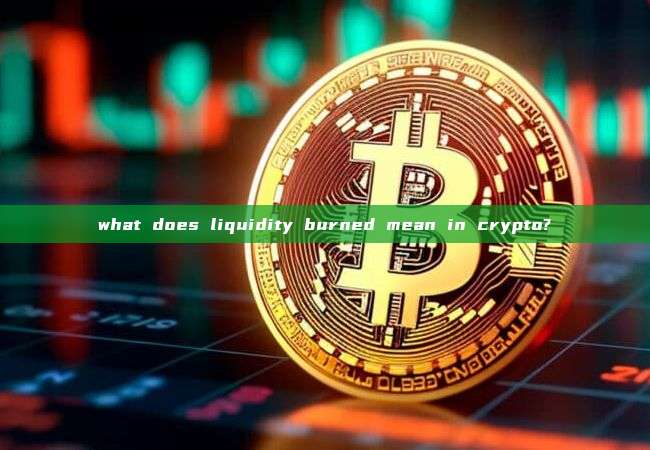
In crypto, "liquidity burned" refers to the permanent removal of liquidity pool tokens (LP tokens) from circulation, effectively destroying them. This process is often done to increase a token's scarcity, improve its value, or reward holders. Here's a breakdown:
How Liquidity Burning Works:
-
Liquidity Providers (LPs) deposit tokens into a decentralized exchange (DEX) like Uniswap or PancakeSwap and receive LP tokens in return.
-
Burning means sending those LP tokens to a dead address (a wallet with no private key), making them permanently inaccessible.
-
This reduces the total supply of LP tokens, effectively locking the underlying liquidity forever.
Why Do Projects Burn Liquidity?
-
Increase Scarcity: Reducing LP supply can make the remaining tokens more valuable.
-
Prevent Rug Pulls: Some projects burn LP tokens to prove they can't withdraw liquidity (a trust signal).
-
Tokenomics Strategy: Some tokens (like Baby Doge Coin) burn liquidity to create deflationary pressure.
-
Reward Holders: Burns can increase the value of remaining tokens, benefiting long-term holders.
Example:
-
A project locks 90% of its liquidity by burning LP tokens, meaning only 10% remains tradeable. This makes it harder for large holders to dump the token suddenly.
Difference Between Burning Tokens vs. Burning Liquidity
-
Token Burning: Destroying the project's native tokens (e.g., Shiba Inu burning SHIB).
-
Liquidity Burning: Destroying LP tokens, locking the underlying liquidity (e.g., Ethereum and USDT paired in Uniswap).
Is Liquidity Burning Good?
✅ Pros:
-
Increases trust (less risk of devs pulling liquidity).
-
Can boost token value by reducing sell pressure.
❌ Cons:
-
If too much liquidity is burned, trading can become illiquid.
-
Doesn’t guarantee price stability if demand drops.
Final Thought
When a project says it has "burned liquidity," it usually means a portion of its trading liquidity is permanently locked, making the token more secure and potentially more valuable over time. Always check if the burn is verified (e.g., on Etherscan) to confirm legitimacy.
Token burning can be done using the GTokenTool tool.