Staking bridging aggregator tokens can provide liquidity rewards while supporting cross-chain interoperability. Here's a comprehensive guide:
Understanding Bridging Aggregator Tokens
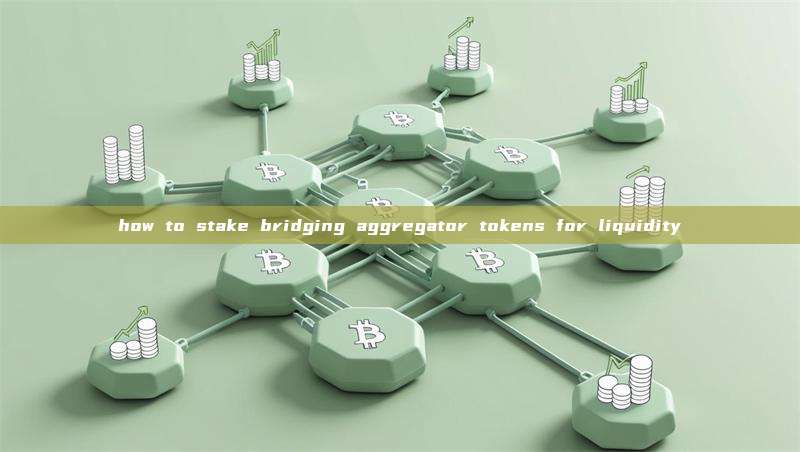
Bridging aggregator tokens are typically issued by protocols that:
Aggregate multiple cross-chain bridges
Optimize routes for token transfers
Provide liquidity across different chains
Step-by-Step Staking Process
1. Choose a Bridging Aggregator Platform
Popular options include:
Across Protocol
Socket (formerly Biconomy)
LI.FI
XY Finance
Router Protocol
2. Acquire the Platform's Native Token
You'll typically need:
The platform's governance token (e.g., ACX for Across)
Or liquidity pool tokens if providing to an AMM
3. Connect Your Wallet
Use a Web3 wallet like MetaMask, WalletConnect, or Coinbase Wallet
Ensure you're on the correct network (often Ethereum mainnet or a major L2)
4. Navigate to Staking Section
Look for:
"Stake"
"Liquidity Mining"
"Yield Farming" sections
5. Select Staking Pool
Options may include:
Single-sided staking (just the platform token)
LP token staking (paired with ETH or stablecoins)
Cross-chain staking (on multiple networks)
6. Approve & Stake Tokens
Approve token spending (one-time gas fee)
Enter stake amount and confirm transaction
Key Considerations
Rewards Structure:
Typically paid in the same token or platform fees
Some offer additional rewards in ETH or stablecoins
Lock-up Periods:
Some platforms have vesting schedules
Others offer flexible unstaking
Risks:
Impermanent loss (for LP staking)
Smart contract vulnerabilities
Bridge exploit risks
Token price volatility
Maximizing Returns
Compare APYs across different platforms
Consider auto-compounding options if available
Diversify across multiple bridging protocols
Monitor gas fees - stake when network congestion is low
Monitoring Your Position
Use platforms like:
DeBank
Zapper.fi
ApeBoard
to track your staked positions across chains.
GTokenTool is the most comprehensive one click coin issuance tool, supporting multiple public chains such as TON, SOL, BSC, etc. Function: Create tokens, market value management, batch airdrops, token pre-sales、 IDO、 Lock, pledge mining, etc. Provide a visual interface that allows users to quickly create, deploy, and manage their own cryptocurrencies without writing code.