This is a rotation story, not a crypto verdict
PANews reported on November 23 that Ark Invest has bought roughly 1.64 million Anthropic shares worth about $146 million since the company's listing, while selling small positions in Bullish, the 3iQ Solana staking ETF, and trimming elsewhere — and my read is that this is a fund doing ordinary portfolio rotation, not a fund telling you to sell your SOL bags.
Most people will read that headline and conclude Cathie Wood has turned bearish on crypto. That is the wrong conclusion, and it is the one that will cost people money if they act on it. Ark is a thematic fund with concentration limits and a stated preference for disruptive equity. When a large, liquid, newly listed AI equity shows up, something has to be sold to fund it. The staking ETF positions that got trimmed are small in dollar terms relative to the Anthropic buy — this is a sizing decision, not a thesis reversal.
What it actually signals is narrower and more useful: the marginal institutional dollar is currently more comfortable expressing "disruptive tech" through equity wrappers than through staking products. That is a statement about vehicle preference, not about the underlying chains.
Reason 1: The numbers are asymmetric by design
Look at the magnitudes. Roughly $146 million into Anthropic. A few million out of Bullish, the 3iQ Solana staking ETF, and other positions. If Ark had genuinely soured on Solana or Ethereum staking, you would not see a rounding-error sale alongside a nine-figure buy. You would see the whole position go.
Fund managers trim for a hundred mundane reasons: rebalancing to target weights, freeing cash for a new high-conviction name, tax positioning, or simply keeping a position under a concentration cap. None of those require you to change your own allocation.
Large buy, small sells: this is cash sourcing, not a directional call.
Staking ETFs are a specific product wrapper, not the asset itself. Selling the wrapper says nothing about the chain.
Ark's public research has stayed consistently constructive on crypto infrastructure for years. One quarter of trimming does not erase that.
Reason 2: Staking ETF flows are a weak proxy for on-chain demand
This is the part most retail readers get wrong. A staking ETF is a regulated vehicle that holds staked exposure and passes yield through. Its flows are driven by allocator mandates, fee structures, and the availability of substitutes — not by whether validators are healthy or whether on-chain activity is growing.
If you want to know whether Solana or Ethereum is being used, you look at on-chain data: active addresses, fee revenue, stablecoin supply, DEX volume, and the share of supply actually staked. Those are the signals that matter for anyone building or holding. ETF share counts are a lagging indicator of institutional paperwork.
I have watched people sell good positions because a fund trimmed a product they did not even understand. Do not be that person. If you hold staking exposure, the question to ask is whether the yield and the risk still fit your plan — not what Ark did last Tuesday.
Reason 3: The real signal is that AI equity is crowding out crypto vehicles
Here is the part worth paying attention to. When a fund with a fixed mandate gets a new, liquid, high-growth equity to buy, it funds it by selling the least liquid, most administratively annoying positions it holds. Staking ETFs fit that description perfectly: they carry custody complexity, regulatory friction, and thinner liquidity than a large-cap equity.
That tells you something about the current competitive landscape. Capital that might have gone into crypto vehicles is being pulled toward AI equity because the equity wrapper is easier to own at size. This is a real headwind for crypto product flows — and it has nothing to do with whether the chains work.
For builders and token teams, the practical implication is uncomfortable but clear: you cannot rely on institutional product flows to validate your project. You have to earn attention on-chain, with verifiable commitments that anyone can check without trusting a fund's quarterly filing.
The strongest counter-argument
The best case against me is straightforward: Ark is a high-conviction shop, and when Cathie Wood changes her mind she changes it loudly. If she is rotating out of staking products and into AI equity, maybe that is the early edge of a broader institutional exit from crypto yield products, and the small sale sizes just reflect that the position was never large to begin with.
I take that seriously, and I would change my view if I saw the pattern repeat: multiple funds trimming staking vehicles in the same window, or Ark exiting a position entirely rather than shaving it. But one fund shaving a few million while deploying nine figures elsewhere is not that pattern. It is what portfolio construction looks like when a new idea arrives. Reading a thesis change into a cash-sourcing trade is how people talk themselves out of positions they should keep.
What to do now
Stop treating fund filings as trade signals and start treating them as context. Concretely:
Separate the vehicle from the asset. If you hold a staking ETF, evaluate it on fees, yield, and custody — not on one manager's trim.
Pull the on-chain numbers yourself for whatever chain you hold. Active addresses, fee revenue, and staked supply share will tell you more in ten minutes than a headline will in a week.
If you are building a token, treat verifiable commitment as your marketing. Anyone can check a lock record on a block explorer; nobody can check a promise.
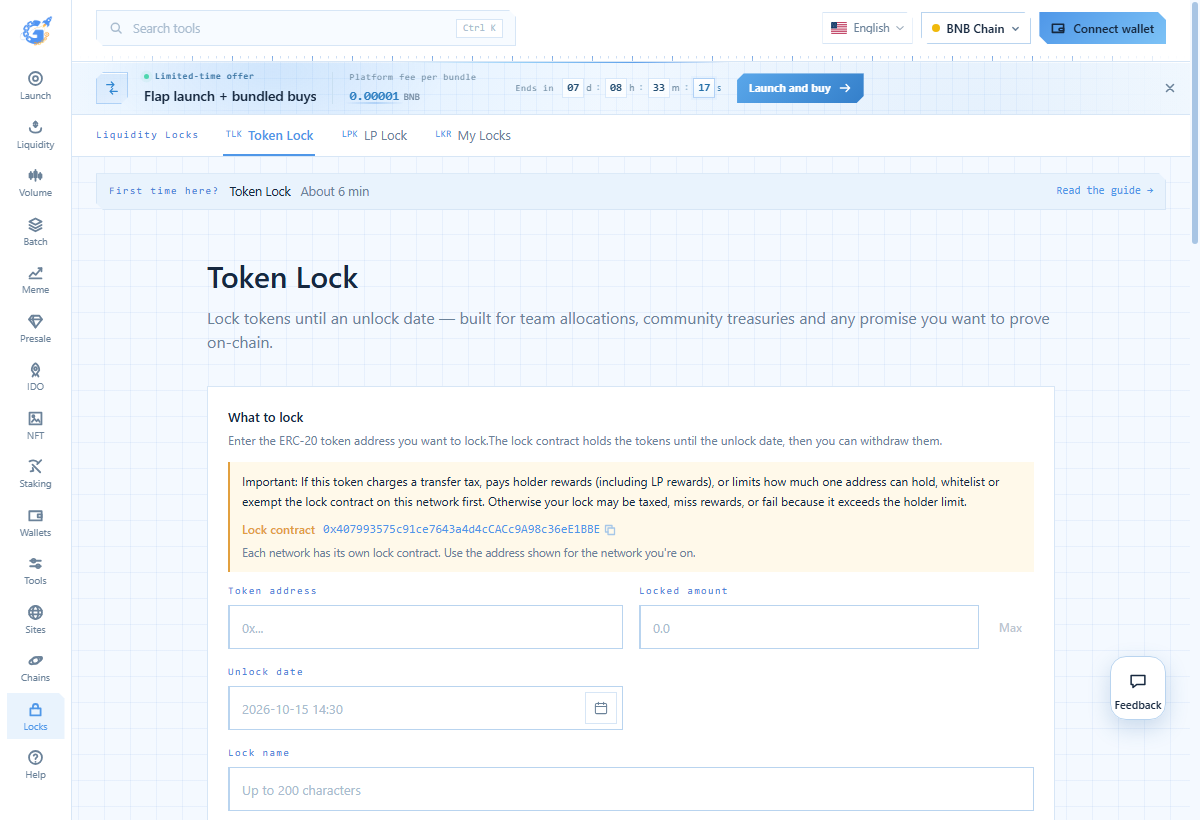
If you are launching, plan your supply schedule before you launch, not after. Locking team and treasury allocations with a public unlock date is the cheapest credibility you can buy — you can set it up with token lock with vesting, and the record is readable by anyone with the transaction hash.
If you are distributing to a community or running an airdrop, do it in one batch rather than a hundred manual sends — batch sender keeps the on-chain trail clean and auditable.
None of this is exciting. That is the point. The people who survive rotations are the ones who check the underlying data instead of reacting to the wrapper.
The headline is about a fund rebalancing; your job is to make sure your own position still makes sense on its own terms.