Of course. Here is a detailed explanation of what locked liquidity is, broken down for clarity.
The Short Answer
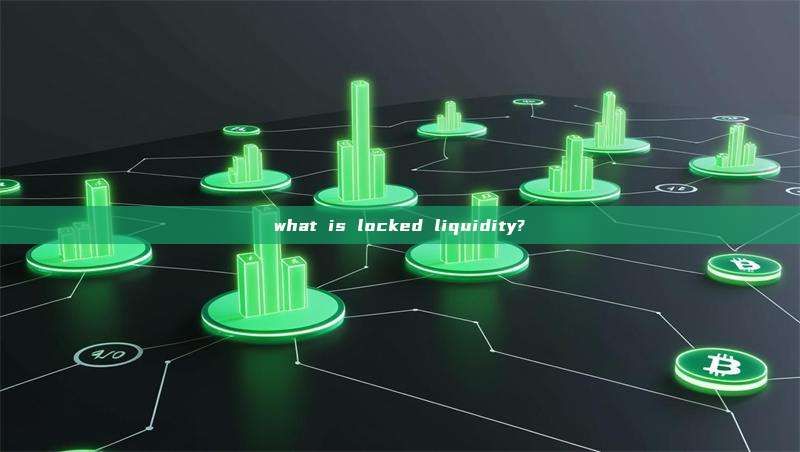
Locked liquidity is a portion of a cryptocurrency project's trading pool (usually the majority of it) that is made inaccessible for a predetermined period. This is done intentionally by the project developers to prove their long-term commitment and prevent a "rug pull," where creators drain the pool and abandon the project.
The Detailed Explanation
To understand locked liquidity, you first need to understand two key concepts: Liquidity Pools and the Rug Pull scam.
1. The Foundation: Liquidity Pools (LPs)
-
Most decentralized tokens (e.g., on Ethereum, BSC, Solana) are traded on Decentralized Exchanges (DEXs) like Uniswap or PancakeSwap.
-
These exchanges don't use order books. Instead, they use liquidity pools.
-
A liquidity pool is a large pot of two tokens (e.g.,
NEW_TOKEN/ETHorNEW_TOKEN/USDT) that users provide. This pool allows everyone to buy and sell the new token seamlessly. -
The more liquidity in the pool, the easier it is to buy and sell large amounts without causing massive price swings (slippage).
2. The Problem: The "Rug Pull" Scam
In the early days of DeFi, a common scam was the rug pull:
-
Developers create a new token and hype it up.
-
They add initial liquidity to the pool so people can start trading.
-
Investors buy the token, driving the price up and adding more money to the pool.
-
Once the value is high enough, the developers—who own a large portion of the liquidity pool tokens (LP tokens)—remove all the liquidity from the pool.
-
They cash out, instantly crashing the token's value to zero and disappearing with everyone's money. Investors are left with worthless tokens.
3. The Solution: Locked Liquidity
Locked liquidity is the primary defense against a rug pull. Here’s how it works:
-
Providing Liquidity: Developers create the initial liquidity pool by pairing their new token with a established one like Ethereum (ETH) or a stablecoin.
-
Receiving LP Tokens: When they provide this liquidity, the DEX gives them LP Tokens. These tokens are a receipt that represents their share of the entire pool. Whoever holds these LP tokens has the power to withdraw the liquidity from the pool.
-
Locking the LP Tokens: Instead of keeping these powerful LP tokens, the developers send them to a liquidity lock contract.
-
Setting a Timer: This smart contract is programmed to hold the LP tokens unconditionally until a specific date in the future (e.g., 1, 2, 5, or even 10 years). No one, not even the developers, can access the locked funds until the timer expires.
Why is Locked Liquidity So Important?
-
Builds Trust and Credibility: It's the strongest signal a new project can send. It proves the developers are financially committed to the project's long-term success and cannot simply exit-scam.
-
Prevents Rug Pulls: By making the majority of the liquidity inaccessible, it eliminates the primary method of this scam.
-
Price Stability: A large, locked pool of liquidity ensures there is always a base level of assets to facilitate trading, reducing volatility and protecting investors from sudden crashes caused by the developers.
-
Investor Confidence: Knowing the liquidity is locked gives investors peace of mind and is often a minimum requirement for serious investors to even consider a project.
How to Check if Liquidity is Locked
Before investing in any new DeFi project, you should always verify this. Here’s how:
-
Find the Contract Address: Get the correct contract address for the token from its official website or Telegram. (Beware of scams!).
-
Use a Block Explorer: Go to a block explorer like Etherscan (for Ethereum) or BscScan (for Binance Smart Chain).
-
Check the "Holders" Tab: Look for the top holders. You should see a large amount of the LP tokens held by a known locking contract.
-
Use a Locking Service Website: Sites like DeFiScan (by Team Finance), UniCrypt, or DxSale are popular services for locking liquidity. You can often search for a token's name or contract address on these sites to see proof of the lock, its value, and the unlock date.
A major red flag is if the developers' wallets hold the LP tokens directly and they are not locked.
Key Terminology
-
Liquidity Pool (LP): The reservoir of tokens that enables trading.
-
LP Tokens: The receipt or key that represents ownership of a share of the liquidity pool.
-
Liquidity Lock: A smart contract that holds LP tokens hostage for a set period.
-
Vesting: Similar to locking, but often refers to the gradual release of team tokens over time, not liquidity.
Limitations to Be Aware Of
-
It's Not a Guarantee: A lock doesn't guarantee the project will succeed; it could still fail due to poor execution or market conditions. It only prevents one specific type of scam.
-
Lock Duration Matters: A lock for 3 months is not very meaningful. Look for locks of 1 year or more.
-
Percentage Locked: Ideally, 100% of the initial liquidity should be locked. If only a small percentage is locked, a rug pull is still possible.
In summary, locked liquidity is a crucial safety feature in decentralized finance that aligns the developers' incentives with the investors' by preventing the most common exit scam and proving a commitment to the project's future.