This is a very common request in the crypto world. It's important to understand that you are not technically "changing" the ERC20 token itself. Instead, you are moving the value of your tokens from the Ethereum blockchain (ERC20) to the Binance Smart Chain (BEP20) and vice-versa.
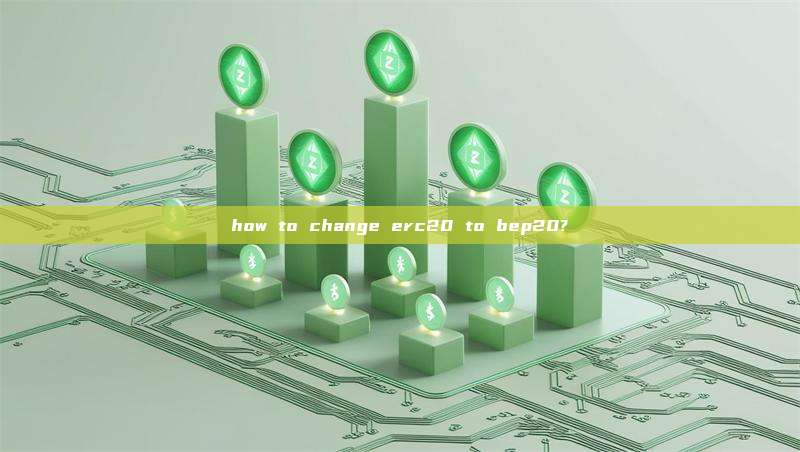
This process is called bridging. You use a special service called a "bridge" to lock your tokens on one chain and mint an equivalent, "wrapped" version on the other chain.
Here’s a detailed guide on how to do it, from the easiest method to the more advanced.
Method 1: Using the Official Binance Bridge (Easiest & Most Trusted)
This is the simplest and most secure method, especially for beginners. It uses the bridge provided by Binance itself, integrated directly into their exchange.
Prerequisites:
A Binance account (you must have completed KYC verification).
Your ERC20 tokens (e.g., USDT, LINK, etc.) in your Binance Spot Wallet on the Ethereum network.
Steps:
Deposit to Binance: If your tokens are in a private wallet (like MetaMask), send them to your Binance deposit address on the Ethereum Network (ERC20). Wait for the deposit to be confirmed.
Navigate to Withdraw: Go to your Binance Spot Wallet and click "Withdraw" on the token you want to move (e.g., USDT).
Select BSC Network: In the withdrawal form, you will see a "Network" dropdown menu. Select "BEP20 (BSC)".
Enter Your Wallet Address: Paste your external BSC wallet address (e.g., your MetaMask address). CRITICAL: Ensure this address is correct and supports BEP20.
Confirm and Withdraw: Enter the amount, complete the security verification (2FA, email confirmation), and submit the withdrawal.
What happens behind the scenes: Binance locks your ERC20 tokens in their Ethereum vault and credits you with the equivalent BEP20 tokens on the Binance Smart Chain, sending them directly to your provided address.
Pros: Extremely user-friendly, high liquidity, trusted.
Cons: Requires a Binance account and KYC.
Method 2: Using a Decentralized Cross-Chain Bridge
This method is "non-custodial," meaning you hold your private keys throughout the entire process without depositing to a centralized exchange like Binance. Popular bridges include Multichain.org, cBridge, and Portalbridge.
Prerequisites:
A Web3 wallet (like MetaMask) configured for both networks.
Ethereum Network: Already set up by default.
Binance Smart Chain: You need to add the BSC network to your MetaMask. Here are the official instructions and RPC details.
Enough native crypto for gas fees:
On Ethereum: You need ETH to pay the transaction fee to approve and send the tokens.
On BSC: You need a small amount of BNB to pay for the transaction to receive the bridged tokens.
Steps (using Multichain as an example):
Go to the Bridge Website: Connect your wallet to a trusted bridge like app.multichain.org.
Select Your Assets and Networks:
From: Select "Ethereum" as the source chain.
To: Select "BNB Smart Chain" as the destination chain.
Asset: Choose the token you want to bridge (e.g., USDC, USDT, DAI).
Connect Your Wallet: Click "Connect Wallet" and authorize the connection to your MetaMask.
Enter Amount: Type the amount you wish to bridge.
Approve (First Time Only): For your first time bridging a specific token, you'll need to sign an "Approve" transaction. This gives the bridge contract permission to access that token in your wallet. This costs ETH gas.
Swap/Bridge: After approval, click "Swap" or "Transfer". You will need to sign a second transaction to actually send the tokens to the bridge's contract. This also costs ETH gas.
Wait for Confirmation: The bridge will now work its magic. It will lock your tokens on Ethereum and mint the equivalent pegged tokens on BSC. This can take from a few minutes to up to 30 minutes depending on network congestion.
Receive Funds: Once completed, the BEP20 tokens will appear in your same MetaMask wallet (make sure you are switched to the BSC network to see them).
Pros: Non-custodial, no KYC required.
Cons: Higher complexity, requires understanding of gas fees and wallet security.
Crucial Considerations and Warnings
Always Use Official Links: Bookmark the official websites of bridges and Binance. Never click on links from Google Ads or random Twitter messages, as phishing sites are rampant.
Double-Check Addresses: One wrong character in the wallet address can lead to permanent loss of funds.
Understand "Wrapped" Assets: The token you receive on BSC is not the "original" ERC20 token. It is a "wrapped" or "pegged" version (e.g.,
USDTvs.USDT.eoranyUSDT) that is backed 1:1 by the original locked on the other chain. Their value is identical.High Ethereum Gas Fees: Bridging from Ethereum can be very expensive due to high ETH gas fees. Always check the estimated gas cost before confirming the transaction. It might not be worth it for small amounts.
Test with a Small Amount: Always do a test transaction with a small amount first to ensure everything works correctly before moving large sums.
Summary: Which Method Should You Use?
| Feature | Binance Bridge (Method 1) | Decentralized Bridge (Method 2) |
|---|---|---|
| Ease of Use | Very Easy (Beginner-friendly) | Moderate to Complex (Requires tech knowledge) |
| Custody | Custodial (You give keys to Binance) | Non-Custodial (You hold your keys) |
| KYC Required | Yes | No |
| Best For | Large amounts, beginners, users who already use Binance | Users who want to avoid CEXs, DeFi enthusiasts |
| Cost | Binance withdrawal fee | Ethereum gas fees + possible bridge fee |
For most people, using the Binance Bridge (Method 1) is the recommended and safest path. If you are deeply involved in DeFi and want to stay completely decentralized, then use a reputable non-custodial bridge like Multichain.