Airdropping tokens on Binance Smart Chain (BSC) using a multisender tool is an efficient way to distribute tokens to multiple addresses at once. Here's a step-by-step guide:
Prerequisites
BSC-compatible wallet (MetaMask, Trust Wallet, etc.) with BNB for gas fees
The tokens you want to airdrop in your wallet
List of recipient addresses
Step-by-Step Process
1. Choose a Multisender Tool
Popular BSC multisender tools include:
MultiSender.app
DappBirds Multisender
BSC Multisender
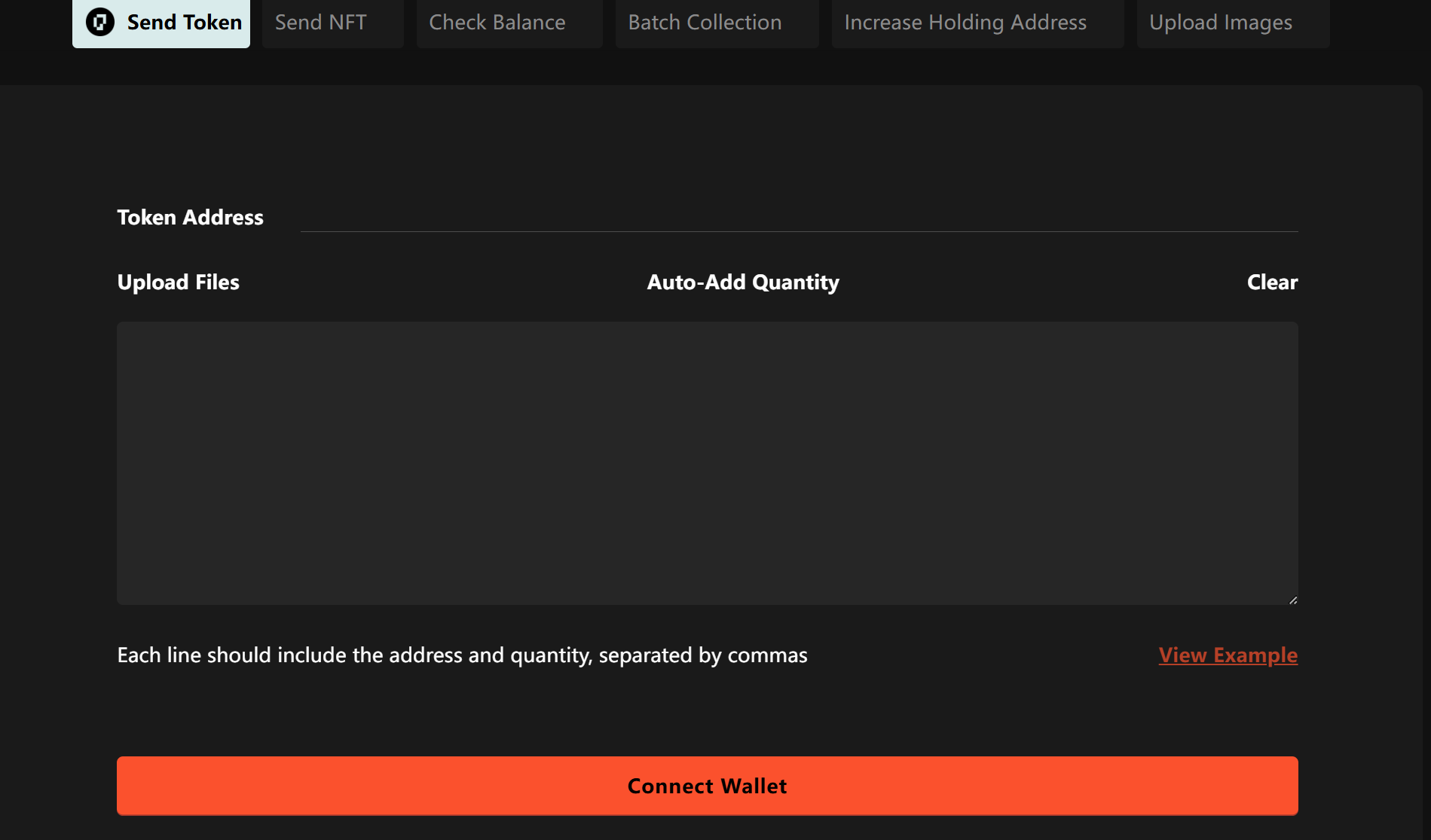
2. Connect Your Wallet
Visit the multisender website
Click "Connect Wallet" and choose your wallet provider
Make sure you're connected to the BSC network (Mainnet or Testnet)
3. Select Token to Airdrop
Enter your token's contract address
The tool should automatically detect the token name and decimals
Approve the tool to spend your tokens (requires a transaction)
4. Prepare Recipient List
You can either:
Upload a CSV file with addresses and amounts
Paste addresses and amounts manually
Enter equal amounts for all addresses
Format should be: address,amount (no headers)
5. Configure Airdrop Settings
Choose between sending equal amounts or custom amounts
Set gas limit (usually the default is fine)
Some tools offer options for transaction speed
6. Review and Send
Double-check all addresses and amounts
Confirm the total amount to be sent matches your expectations
Click "Send" and confirm the transaction in your wallet
7. Verify the Airdrop
Wait for transaction confirmation
Check recipient wallets or use BscScan to verify distributions
Tips for Successful Airdrops
Test with a small batch first
Keep enough BNB for gas (complex airdrops can require significant gas)
Consider using a tool with whitelist features if targeting specific users
Be aware of potential spam/scam filters that might flag your token
Frequently Asked Questions
1.How to Find Legitimate BSC Airdrop Opportunities?
For participants, distinguishing real airdrops from scams is crucial. Legitimate airdrops typically have the following characteristics:
Official Channels: Information is announced via the project's official website, Twitter, Discord, or Telegram channels.
No Private Keys Required: Any airdrop asking for your private key, seed phrase, or requesting you to "verify" your wallet is a scam. Legitimate airdrops only need your public wallet address.
Reasonable Tasks: Tasks usually involve actions like following, retweeting, or joining a community. They should never require you to invest money upfront.
Community Reputation: Check reviews and discussions about the airdrop from other users on crypto forums (like Reddit) and community groups.
2. How Do BSC Airdrop Tools Ensure Security?
This is a top concern for project teams. Security is demonstrated through:
Non-Custodial Nature: Reputable tools do not take custody of or hold your private keys. All transactions still require your personal signature and confirmation from your connected wallet.
Smart Contract Audits: The underlying smart contracts powering the tool should be audited by reputable security firms to ensure there are no backdoors or vulnerabilities.
Data Encryption: Sensitive data, such as uploaded address lists, should be encrypted during transmission and storage.
Testnet Support: The tool should allow projects to conduct a complete airdrop dry run on the BSC Testnet before executing on Mainnet, ensuring a smooth and error-free operation.
3. What Are the Costs Involved in a BSC Airdrop?
The cost primarily consists of two parts:
Token Cost: The total value of the tokens you plan to distribute to your community members.
Gas Fee Cost: Paid in BNB. This cost is directly related to the number of recipient addresses. Because each bulk transaction contains multiple transfer operations, the Gas fee is the sum of these operations. Using a tool can optimize Gas usage, but budgeting ahead is essential. The Gas cost for an airdrop to 10,000 addresses could range from tens to hundreds of dollars, depending on network congestion.
4. BSC Airdrop Tool Free
Searching for "BSC Airdrop Tool Free" is common among startup projects. While free or open-source solutions exist, it's vital to be cautious.
Limited Features: Free tools often have limits on the number of addresses or lack advanced features like task verification.
Security Risks: Free tools from unknown sources may contain malicious code, posing risks of fund theft or stolen data (e.g., your participant list).
Lack of Support: If problems arise, you might not get timely technical support, potentially leading to a failed airdrop.
It's advisable for projects to view a reliable tool as a necessary investment. Choosing a paid tool with a good reputation and professional support helps safeguard your assets and campaign.
5. BSC Airdrop Tool for Token Distribution
This search term accurately targets the core value of these tools. A BSC airdrop tool is not just a marketing instrument; it's efficient infrastructure for asset distribution.
Ecosystem Incentives: Distributing governance tokens or rewards to early users of DeFi protocols or NFT projects.
Community Rewards: Rewarding loyal token holders (i.e., Holder Airdrops).
Cross-Chain Bridging: Distributing new BSC-version tokens to users migrating from other chains (like Ethereum).
These scenarios require the distribution process to be accurate, fair, and verifiable – areas where professional tools excel.
6.Best BSC Airdrop Bot for Telegram
Telegram is a primary platform for airdrop tasks. Such bots can integrate with your BSC airdrop tool via API to enable:
Automatic Verification: Users complete commands in a Telegram group (e.g., "/join"), and the bot automatically records their wallet address and verifies their membership status.
Sybil Attack Prevention: Filters out bot accounts using CAPTCHA verifications or multiple task requirements.
Seamless User Experience: Provides a smooth participation flow for users and automatically generates the qualified airdrop list for project teams, significantly boosting operational efficiency.
Cost Considerations
Airdrop costs depend on:
Number of recipients (more recipients = more transactions)
Current BSC gas prices
Tool service fees (some charge 0.5-1% of total amount)