Cross-chain (or crosschain) refers to technologies that enable different blockchain networks to interoperate — allowing them to communicate, share data, and transfer assets or messages seamlessly. It solves the "blockchain island" problem where isolated chains can't talk to each other naturally. A cross-chain bridge is a specific tool or application built on cross-chain technology, primarily used to move assets (like ETH or USDT) from one chain to another. Think of it this way: cross-chain is the big-picture concept and framework for making blockchains work together, while a cross-chain bridge is a practical implementation focused mainly on asset transfers — like the "highway system" versus a specific "toll booth or on-ramp." Cross-chain can cover broader use cases such as data messaging, NFT transfers, or smart contract calls across chains, whereas bridges are narrower and often use mechanisms like "lock-and-mint" or "burn-and-mint."
Introduction: Why Beginners Need to Understand Cross-Chain
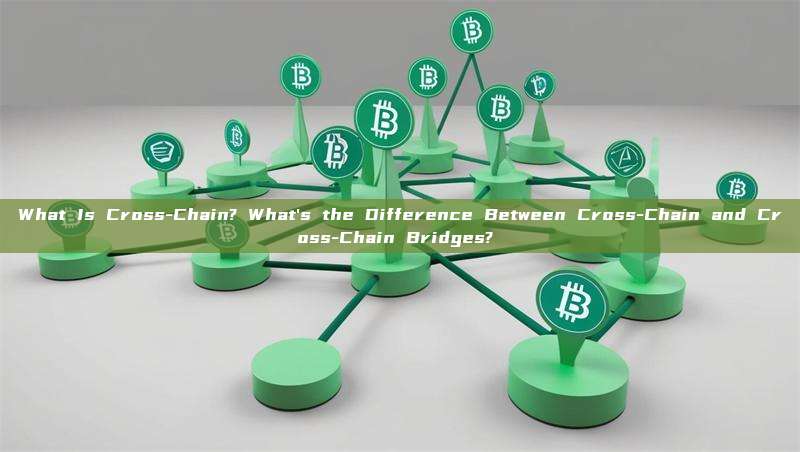
Blockchains are like separate islands: Ethereum powers DeFi, Solana is great for meme coins and speed, BNB Chain offers low fees — but your assets are stuck on their home chain. You can't easily move value or use them elsewhere without hassle. It's like having U.S. dollars that only work in America, but you want to spend in Europe without converting through a bank every time.
Cross-chain technology builds the "bridges" (literally and figuratively) that connect these islands into one unified crypto ecosystem. In 2026, this isn't niche anymore. According to DeFiLlama data, the total value locked (TVL) in cross-chain bridges has grown significantly, often exceeding $20 billion and reaching peaks around $21.94B–$55B in various reports, showing strong adoption even through market cycles.
Whether you're a DeFi user chasing better yields, an NFT collector, or just a new investor, knowing cross-chain and bridges helps you save on fees, access more opportunities, and avoid unnecessary risks. This guide explains everything from zero — concepts, how they work, real differences, data, risks, and practical tips — in plain, everyday American English.
How Cross-Chain and Bridges Actually Work
1. Why Do Blockchains Need Cross-Chain Tech?
Early blockchains were designed to be independent for security and decentralization reasons. Ethereum and Solana use different consensus mechanisms, programming languages, and standards, so they can't "talk" directly. This creates fragmented liquidity — the same token might trade at different prices on different chains — and forces users to go through centralized exchanges (CEXs), which adds time, fees, and custody risks.
Cross-chain technology fixes this by letting chains verify each other's state and relay messages securely. The core idea is "trust minimization": instead of relying on a middleman company, it uses smart contracts, oracles, validators, or zero-knowledge proofs to prove "this transaction really happened on Chain A" before acting on Chain B.
2. How Cross-Chain Works (Explained Simply for Beginners)
Cross-chain generally falls into two big categories:
Asset transfer: Moving tokens like ETH from Ethereum to Arbitrum or Solana.
Data/message passing: More advanced — letting a smart contract on one chain pull data or trigger actions on another (Chainlink CCIP is a great example).
A typical flow (Ethereum → Solana):
You deposit (lock or burn) your ETH into a smart contract on Ethereum.
The protocol verifies the transaction using relayers, validators, or proofs.
On Solana, an equivalent asset is minted or released — often as a "wrapped" version at first, but newer systems deliver native tokens.
To go back, the process reverses.
Modern "intent-based" cross-chain (also called intent-based execution) is changing the game. You just state what you want ("move my ETH to Solana and give me SOL"), and solvers handle it in 2–5 seconds with native assets — no waiting days or dealing with wrapped tokens. This has largely replaced old-school lock-and-mint for everyday users because it's faster and safer.
3. What Exactly Is a Cross-Chain Bridge and How Does It Work?
A cross-chain bridge is basically the "asset-moving specialist" version of cross-chain tech. It's a decentralized app (dApp) or protocol focused on transferring tokens between chains. It often uses the same underlying messaging but narrows it down to value transfer.
Common mechanisms:
Lock & Mint: Lock tokens on the source chain; mint wrapped (synthetic) versions on the destination.
Burn & Mint: Burn on source; mint on destination.
Liquidity Pool: Like Stargate — pools on both sides let you swap directly without long waits.
Bridges come in flavors:
Trusted (custodial): Rely on multisig or centralized validators — faster but you trust the team.
Trustless (decentralized): Use light clients, zero-knowledge proofs, or distributed validators — more secure but complex.
Popular examples in 2026: Wormhole (Portal), LayerZero's Stargate, Axelar, Across, and deBridge. They support dozens of chains so you can move USDT from Ethereum to Base in one click, no CEX needed.
4. Key Differences: Cross-Chain vs. Cross-Chain Bridge
Scope: Cross-chain is the broad interoperability umbrella (DeFi lending across chains, NFT movement, DAO voting, general messaging). Bridges are mostly about "moving your coins."
Technology: Cross-chain might use native standards like IBC (Cosmos) or XCM (Polkadot). Bridges are often third-party dApps built on messaging protocols like LayerZero or Wormhole.
Risk & Speed: Native cross-chain ecosystems can be very secure but harder to join. Bridges are flexible and user-friendly but have a history of hacks (billions lost in 2022–2024). Intent-based bridges now minimize custody risk by avoiding wrapped tokens and long lockups.
Future Direction: By 2026, "chain abstraction" and intent-based systems are blurring the lines — users won't even notice which chain they're on. The bridge concept is evolving into seamless "any-to-any" experiences.
Data Comparison
Here's a comparison of leading bridges based on public data from DeFiLlama and industry reports around early-to-mid 2026. TVL reflects how much value users trust in the protocol (higher generally means more adoption and perceived security). Note: Numbers fluctuate with market conditions.
| Bridge Name | Approx. TVL | Monthly Volume (Approx.) | Supported Chains | Key Features | Security History | Best For |
|---|---|---|---|---|---|---|
| Wormhole Portal | ~$2.45B – $3B | ~$1.1B | 30+ | Guardian validator network, strong Solana-EVM support | Past exploit (2022, now hardened with audits) | Large NFT/asset transfers |
| Stargate (LayerZero) | ~$115M – $370M | High | 20+ (EVM-focused) | Native asset delivery, unified liquidity pools | Low incidents | DeFi users, EVM chains |
| Axelar | ~$320M | High | 60+ | General messaging, institutional grade | Low | Developers, multi-chain apps |
| Across | ~$98M – $892M | Medium-High | 15+ (L2s mainly) | Intent-based, 2–5 second speeds, native assets | Very low / no major exploits | Beginners, fast cheap transfers |
| deBridge | Lower TVL but high cumulative volume (~$9B–$10B+) | High | 30+ | Zero-TV L intent model, strong security audits | Zero major exploits | Institutional/high-value users |
Quick Takeaways: Wormhole often leads in TVL and broad support. Intent-based options like Across shine in speed and user experience with minimal custody risk. Overall bridge TVL has stayed robust above $20B in many periods, proving cross-chain is core infrastructure. Always check DeFiLlama for live numbers.
Questions
1. Is cross-chain safe? What are the main risks?
It's generally safer than it used to be, but not risk-free. Smart contract bugs, validator collusion, or oracle attacks are the biggest concerns. Billions were lost in bridge hacks years ago. Tip: Stick to high-TVL, heavily audited bridges (like deBridge with zero exploits), start with small test amounts, and never click suspicious links.
2. What's the difference between a cross-chain bridge and a cross-chain swap?
A bridge just moves the asset (you might get a wrapped token). A cross-chain swap (like some routers) does transfer + exchange in one step — e.g., send ETH and receive SOL directly on the other side. Swaps are more convenient for most users.
3. How should a complete beginner use a cross-chain bridge safely?
Connect your wallet (MetaMask, etc.) to the official site.
Double-check fees, slippage, and contract addresses.
Send a tiny test amount first ($10–50).
Enable 2FA and use hardware wallets for bigger moves.
Monitor DeFiLlama for TVL and read recent audits.
4. Which cross-chain bridges are best in 2026?
It depends: Wormhole for broad ecosystem and NFTs; Across for speed; Stargate for EVM liquidity; deBridge for security-focused or institutional transfers. Try intent-based ones first if you're new.
5. Are cross-chain fees expensive? How can I save money?
Fees include gas + bridge costs (often 0.1%–1%). They're cheaper on Layer 2s like Base or Arbitrum, or during off-peak times. Intent-based bridges usually have the lowest and most predictable fees.
6. Have bridges been hacked? How do I avoid problems?
Yes, especially older ones. Modern intent-based bridges have far better track records with no major exploits in recent years. Always use official links, verify addresses, follow official X/Twitter updates, and start small.
7. Will cross-chain replace single-chain DeFi?
No — it complements it. Individual chains focus on speed or specific features; cross-chain adds liquidity and flexibility. The future is "chain abstraction" where you don't even think about chains.
8. How is cross-chain different from sidechains or multi-chain apps?
Sidechains extend one main chain (like Polygon for Ethereum). Multi-chain means deploying the same app on several independent chains. Cross-chain actively connects separate chains so they can interact.
Conclusion
Cross-chain turns fragmented blockchains into one connected world, and bridges are your easiest on-ramp. Understanding the difference helps you move assets smarter, chase opportunities across ecosystems, and dodge common pitfalls. In 2026, with intent-based tech and better security, using cross-chain feels smoother than ever.
Quick Start Tips:
Try a small transfer on Across or Stargate to get the feel.
Bookmark DeFiLlama's bridge section for real-time stats.
Learn basic wallet cross-chain features.
Once you master this, you'll have the "passport" to the full crypto universe.