Imagine a world where your money, contracts, or even medical records aren't controlled by a single bank, government, or company—but instead shared securely across thousands of computers worldwide, tamper-proof, transparent, and super reliable. Sounds futuristic? That's exactly what blockchain technology delivers. Ever since Bitcoin launched in 2008, blockchain has exploded in popularity, becoming a hot topic in finance, tech, business, and even everyday life.
If you're new to this, you're probably wondering: What exactly makes blockchain special? What are its biggest strengths compared to regular systems? And why is everyone talking about it in 2026? Don't worry—this beginner-friendly guide breaks it all down in plain English. We'll cover the basics, dive into the key features and advantages, show real data comparisons, answer common questions, and wrap it up. By the end, you'll get why blockchain isn't just hype—it's changing the game.
What Is Blockchain? A Simple Starter Guide
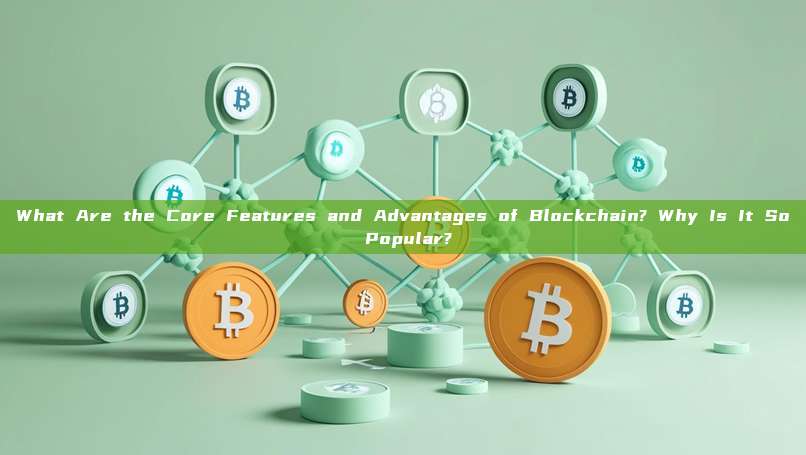
At its heart, blockchain is a decentralized digital ledger—a shared record book that no single person or organization controls. Instead of one central server (like a bank's database), the data lives across a network of computers (called nodes). Every "block" is like a page in the ledger, holding transactions or information. These blocks link together in a chain using cryptography, making the whole thing secure and unchangeable.
Think of it like this: Picture a group of friends keeping a shared expense log. Every time someone spends money, everyone agrees on the entry and adds it to their copy. If anyone tries to cheat and change an old entry, the group spots it right away because their copies don't match. That's blockchain in action—decentralized and built on consensus.
Satoshi Nakamoto invented it for Bitcoin, but today it's way bigger. It's powering everything from cryptocurrencies to supply chains, healthcare records, voting systems, and more. In simple terms, blockchain solves the big problem of trust in a digital world: How do you know data is real and hasn't been messed with—without needing a middleman?
The Core Features of Blockchain
Blockchain stands out because of these built-in traits that traditional systems just can't match:
Decentralization — No single boss. The network runs on thousands of computers worldwide. If one goes down or gets hacked, the rest keep going. This makes it super resilient—no single point of failure.
Transparency — On public blockchains (like Bitcoin or Ethereum), anyone can see every transaction ever made. It's like a public glass ledger: You see the flow of money or data, but personal details stay hidden through encryption.
Immutability — Once something's written to the chain, it's locked forever. Each block has a cryptographic hash linking it to the previous one. Change anything, and the whole chain breaks. This creates rock-solid records.
Security — It uses advanced cryptography (public/private keys) plus consensus rules (like Proof of Work or Proof of Stake) to protect data. Hacking it would require controlling most of the network—nearly impossible on big chains.
Consensus Mechanisms — Everyone in the network agrees on what's valid before adding new data. This prevents fraud and keeps things fair.
Smart Contracts — Self-executing code that runs automatically when conditions are met (e.g., "Pay Alice $100 if the package arrives"). No lawyers or banks needed—just code doing the job.
These features create a system that's trustworthy by design, not by trusting a central authority.
The Big Advantages: Why Blockchain Beats Traditional Systems
Thanks to those features, blockchain delivers real-world wins:
Better Security and Trust — No central weak spot means fewer hacks. Data can't be quietly changed, so everyone trusts the records more.
Lower Costs and Faster Processes — Cut out middlemen like banks for payments or escrow services. Cross-border transfers that once took days and cost a fortune now happen in seconds for pennies on some networks.
Traceability — Track anything from farm-to-table food to luxury goods. Fraud drops because you see the full history.
Automation and Innovation — Smart contracts handle deals automatically, reducing errors and speeding things up. Think insurance payouts triggering instantly or supply chains auto-updating.
Global Access — Anyone with internet can join—no bank account required. It levels the playing field for billions of unbanked people.
In short, blockchain turns "trust me" into "trust the math."
Why Is Blockchain Exploding in Popularity Right Now?
Blockchain isn't new, but in 2026 it's everywhere—and for good reason. The global blockchain technology market is booming, with projections showing massive growth. For example, estimates put it at around $60-95 billion in 2026, heading toward hundreds of billions (or even trillions) by 2030-2035, with CAGRs often in the 40-90% range depending on the source.
Here's why it's so hot:
Crypto Boom and Institutional Money — Bitcoin and Ethereum keep hitting new highs, and big institutions (banks, funds, companies) are piling in. Regulatory clarity in places like the U.S. is making it safer for Wall Street to jump on board.
Real-World Use Cases Beyond Crypto — Tokenized real-world assets (stocks, real estate, bonds on chain), stablecoins for fast payments, supply chain tracking, DeFi (decentralized finance) hitting huge TVL, and even AI integration.
Digital Transformation Push — Post-pandemic, businesses want secure, borderless, 24/7 systems. Blockchain delivers that.
Regulatory Wins — Clearer rules (like potential U.S. market structure laws) remove fear and unlock trillions in capital.
Future Tech Stack — Web3, metaverses, digital identity, and always-on global markets all run on blockchain.
Sure, challenges exist—like energy use on older networks or scaling issues—but the momentum is unstoppable.
Data Comparison
Here's a clear side-by-side look at blockchain vs. traditional databases (based on industry analyses from sources like TechTarget, Wildnet Edge, and others in recent years).
| Aspect | Blockchain | Traditional Database | Key Advantage for Blockchain |
|---|---|---|---|
| Architecture | Decentralized, distributed across nodes | Centralized, single/few servers | No single point of failure |
| Data Change | Immutable (append-only) | Fully editable/updatable/deletable | Tamper-proof records |
| Security | High (cryptography + consensus) | Medium (firewalls, access controls) | Harder to hack or alter |
| Transparency | High (public view on open chains) | Low (only admins see full data) | Builds instant trust |
| Speed/Throughput | Slower (e.g., Bitcoin ~7 TPS) | Very fast (millions TPS possible) | Trades speed for security |
| Cost | Higher upfront (network/energy) | Lower (central servers) | Saves on intermediaries long-term |
| Trust Model | Trustless (math-based) | Trust in central authority | No need to trust a middleman |
| Best For | Finance, supply chain, identity, voting | High-volume apps like e-commerce, CRM | Scenarios needing trust & audit |
Blockchain shines where trust, immutability, and decentralization matter most.
Q&A
What's the difference between blockchain and Bitcoin?
Bitcoin is just one application of blockchain—like how the iPhone runs on iOS. Blockchain is the underlying tech.Is blockchain really secure?
Yes—extremely. Big networks are nearly impossible to hack (you'd need 51% control). But always use reputable chains and wallets.Why are companies jumping on blockchain?
It cuts costs, boosts efficiency, and builds trust. Think faster payments, fraud-proof tracking, and automated contracts.Does blockchain hurt the environment?
Older Proof of Work chains use a lot of energy, but newer ones (like Ethereum post-merge) use Proof of Stake and are way more efficient—often 99% less energy.How can a beginner get started?
Read the Bitcoin whitepaper, set up a wallet like MetaMask, buy a little crypto on a trusted exchange, and explore test networks.What's next for blockchain in the coming years?
More tokenization of real assets, integration with AI, mainstream payments via stablecoins, and enterprise adoption everywhere.Why is it better than regular databases?
In trust-heavy scenarios (multi-party deals, public records), its immutability and decentralization win big. For pure speed, traditional databases still rule.
Conclusion
Blockchain's core features—decentralization, transparency, immutability, top-tier security, consensus, and smart contracts—give it massive advantages: unbreakable trust, huge cost savings, lightning-fast global processes, and endless innovation potential.
That's exactly why it's blowing up in 2026. From institutional billions flowing in to real businesses using it daily, blockchain is moving from "cool tech" to "essential infrastructure." The future is decentralized, secure, and open—and blockchain is leading the charge.